INTRO
Originally named after the Adriatic wind of the same name, Yugo ([’jûgo], meaning south) had been manufactured for 28 years, in Kragujevac, central Serbia, at the state-owned factory, Zavodi Crvena Zastava, from 1980 to 2008, when the factory was purchased by FIAT. The production of Yugo cars was, at the time, a national project of high importance for the ruling regime. The very first car was ready on 28th November 1980, the day before the major public holiday of Socialist Federal Republic of Yugoslavia (SFRY), Republic Day.
LOCAL
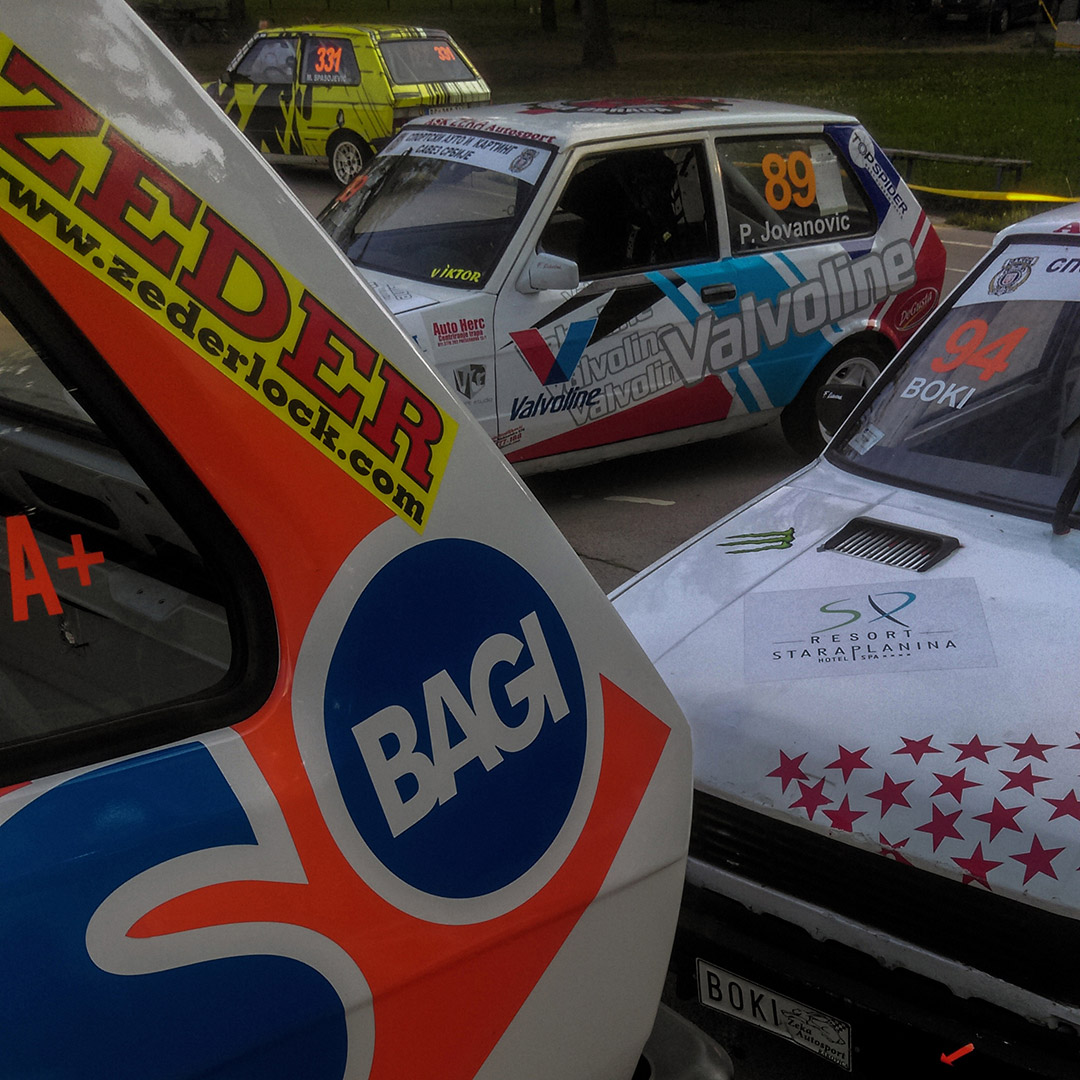
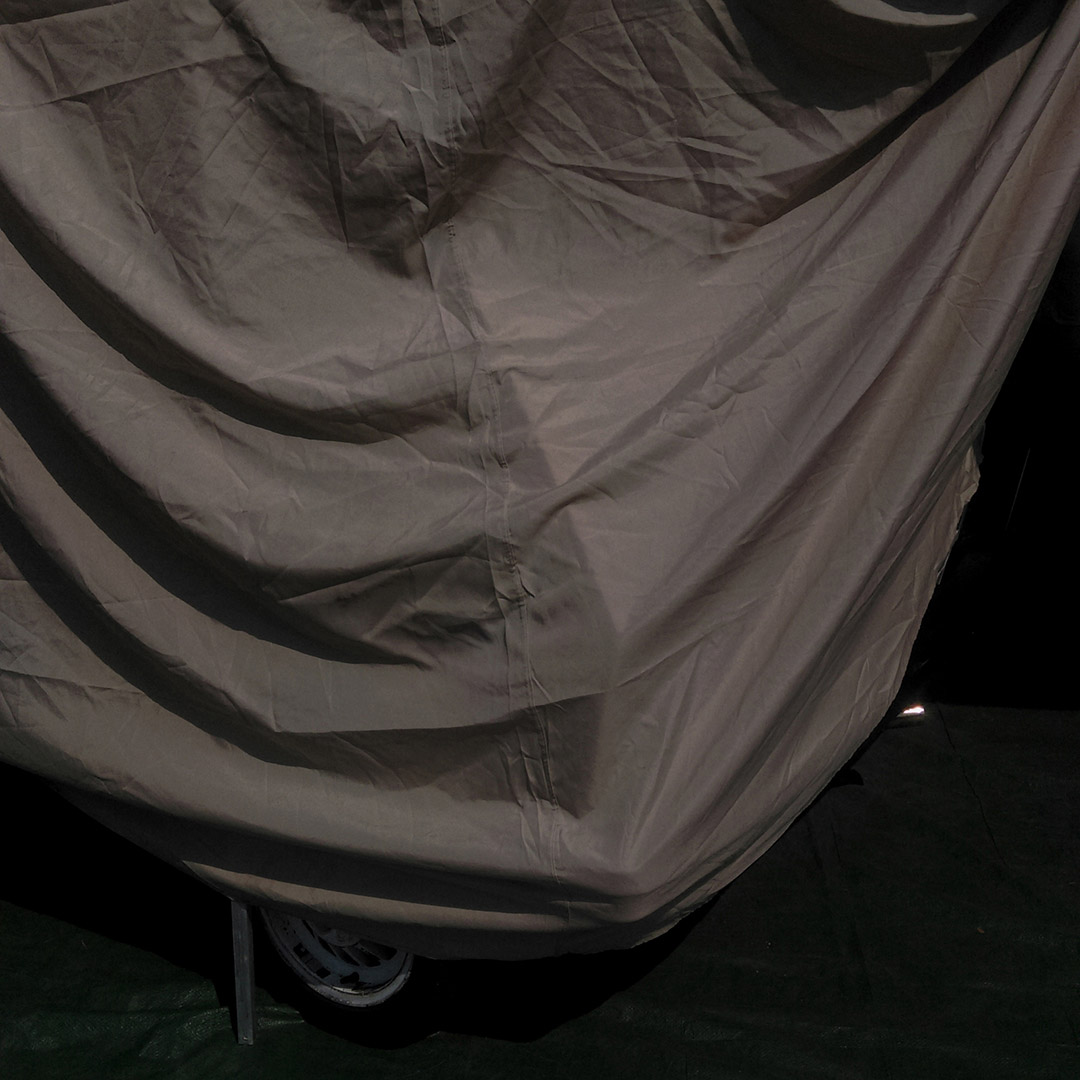
Based on the design of then popular FIAT 127, Yugo was far from state-of-the art product. Additionally, it was not the most reliable; but it was, in spite all its flaws, enthusiastically embraced by the society, not only because of the price-quality ratio, but for the simplicity of its concept and the low cost of maintenance. Its sentimental value has by far surpassed the material one, promoting Yugo into a cult car. Made for a closely controlled market, and with very little competition, it has promptly gained the status of “people’s car”, reaching in mid 80s the peak of its fame.
When Yugo was made, shortly after the lifelong Yugoslav president Josip Broz Tito died, the people in the region still believed in bright future, only to, a decade later, face the breakup of SFRY, followed by the wars, which lead to Yugoslav proletariat ideals being irreversibly shattered. There is a certain parallel between the rise and fall of Yugo on the one hand, and the death of former Yugoslavia on the other, and to this day, Yugo is seen as one of the last common denominators of the former SFR Yugoslavia.
GLOBAL
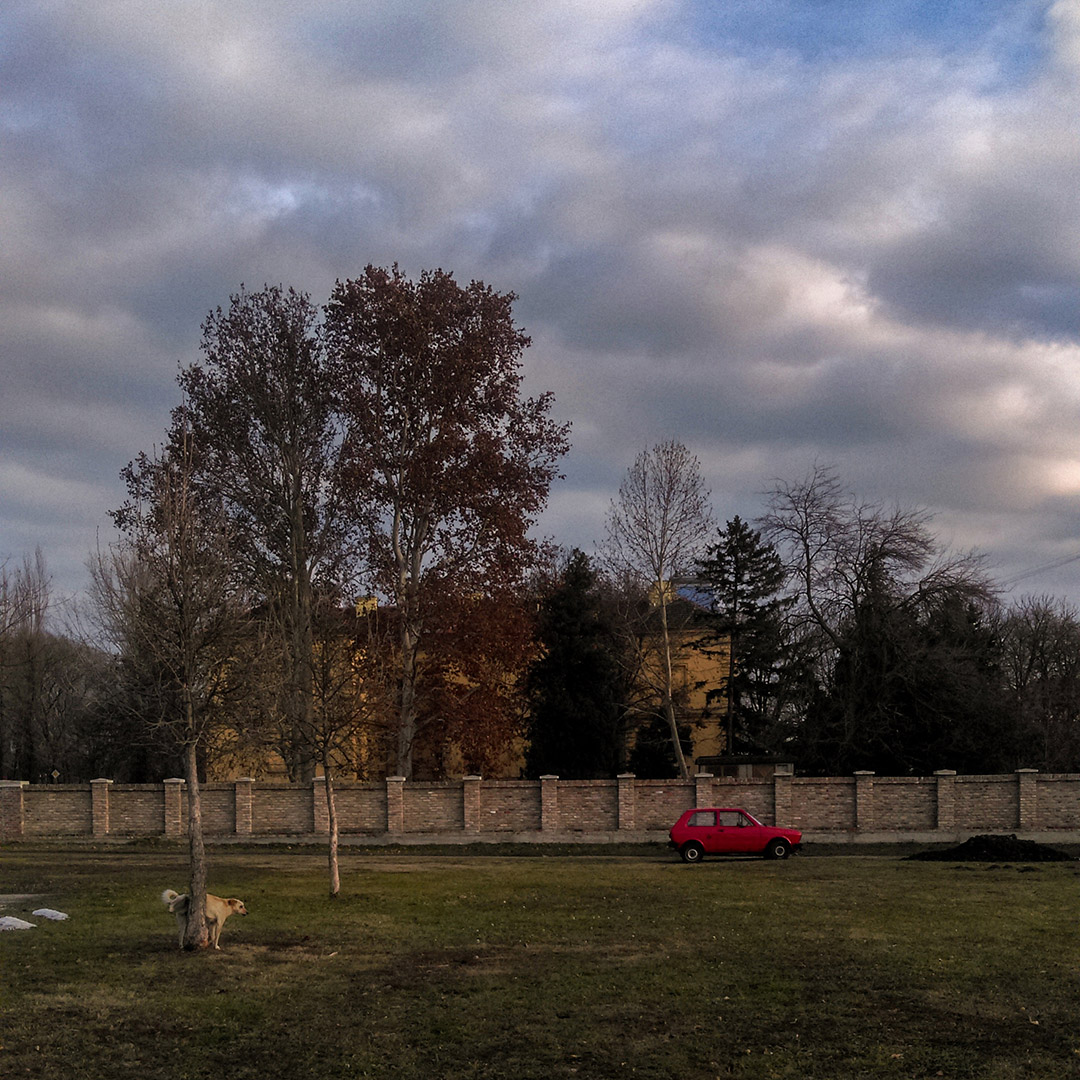
As luck would have it, this communist-made car found its way into various international markets, but came to prominence in the most demanding one, the US market. With compelling advertising and by being the cheapest in its class, 140k units, of almost 800k produced in total, were sold in the US in 7 years. Several years of challenges caused Yugo to lose its competitive edge, thus unofficially gaining the reputation of “the worst car in history”. As such, it ended up in Hollywood, occasionally with a significant role, which enabled its simple, boxy design to be widely recognizable.

OUTRO
Similarly to the society it originated from, Yugo’s ultimate nemesis was that it did not evolve; it never went through substantial changes and the all-important process of modernization. The last manufactured model did not in essence differ from the first car produced. To this day Yugo is thought of as either trash or treasure.
ABOUT
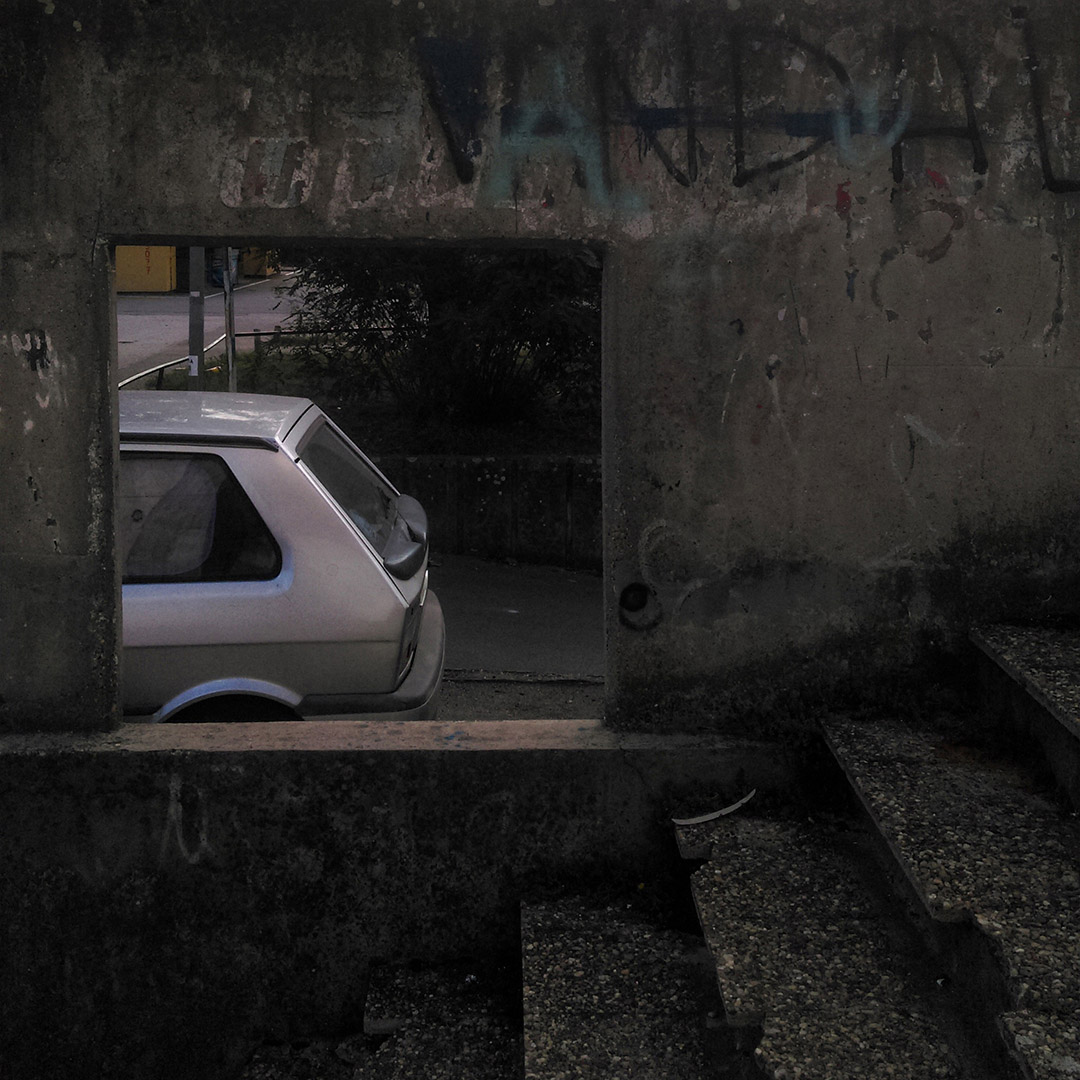
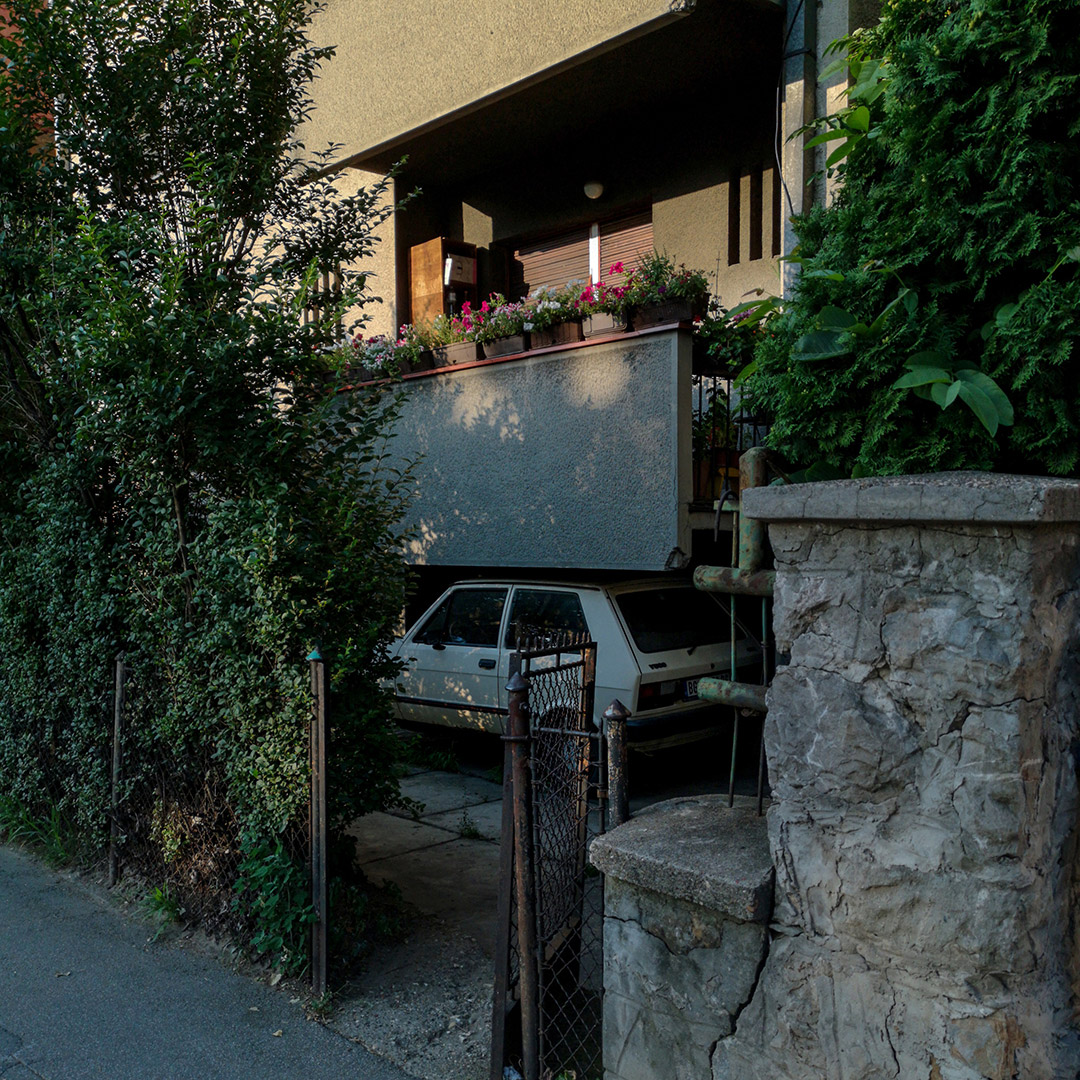
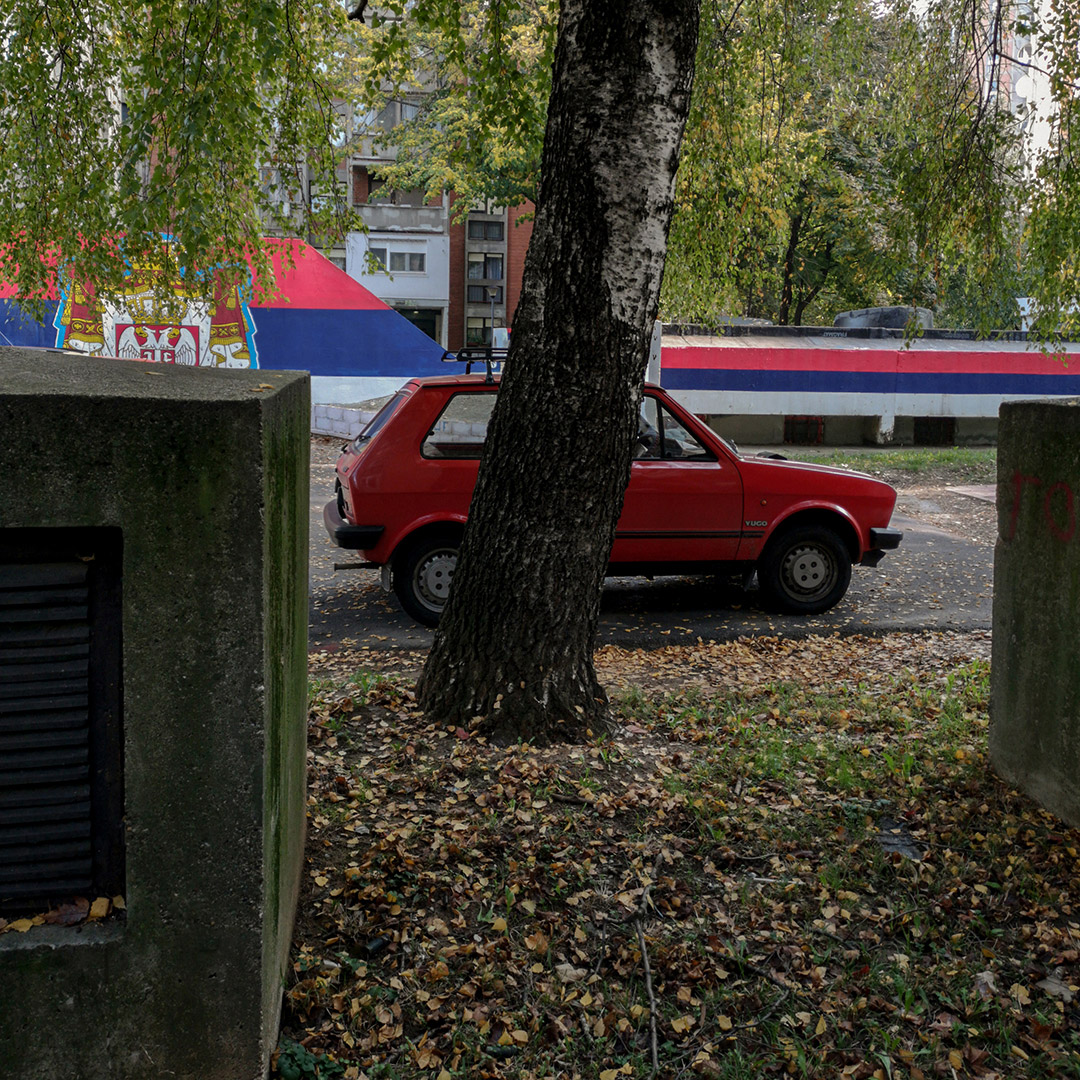
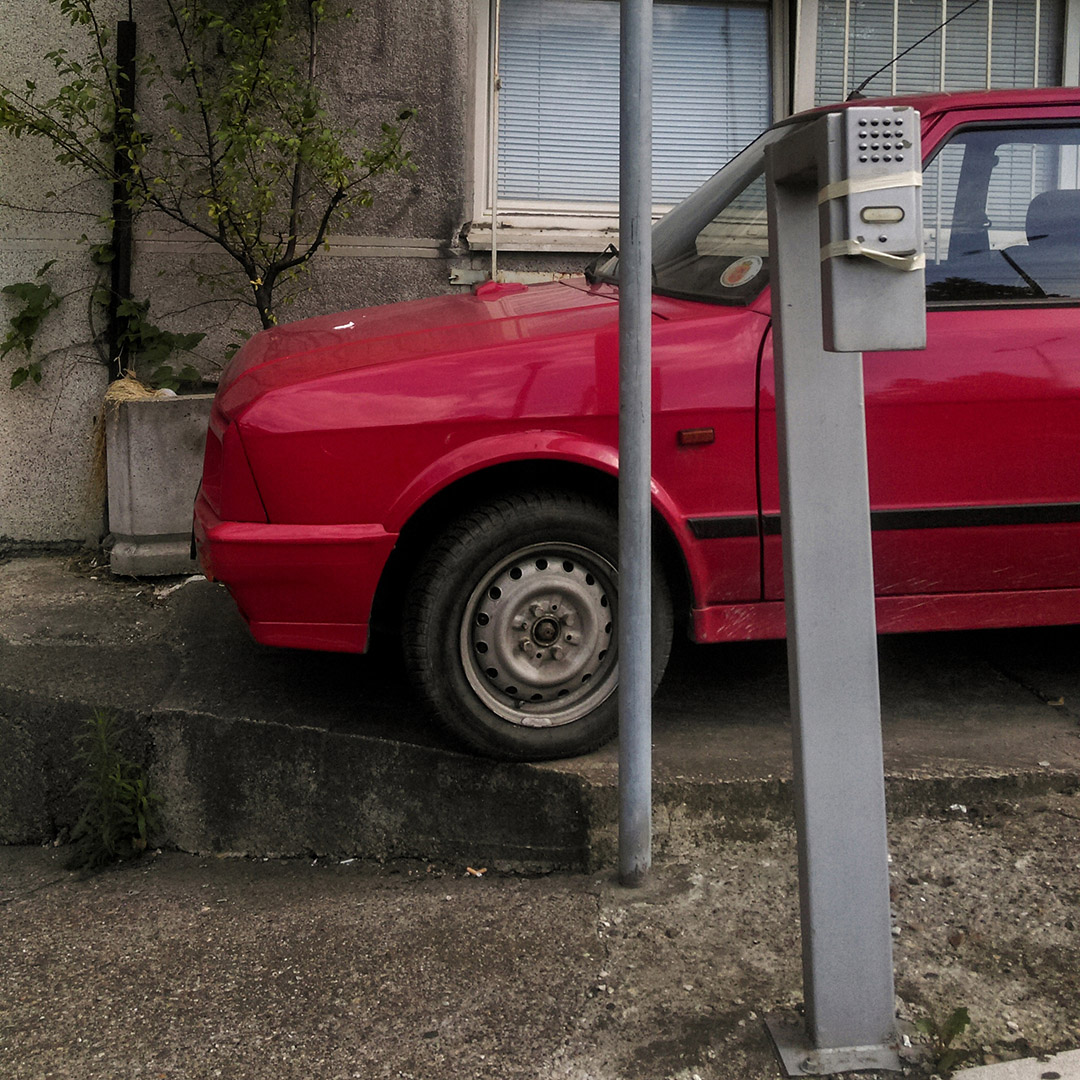
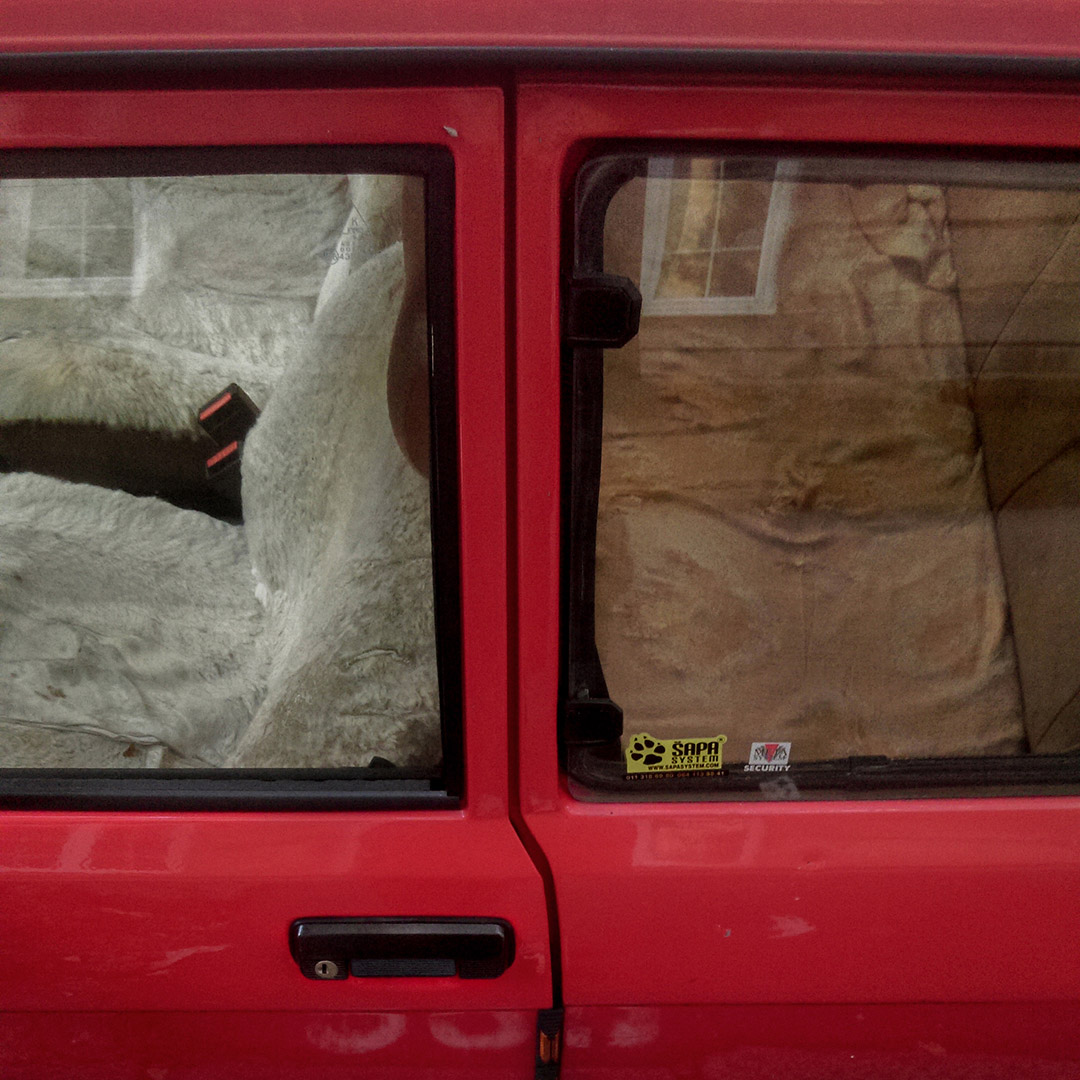
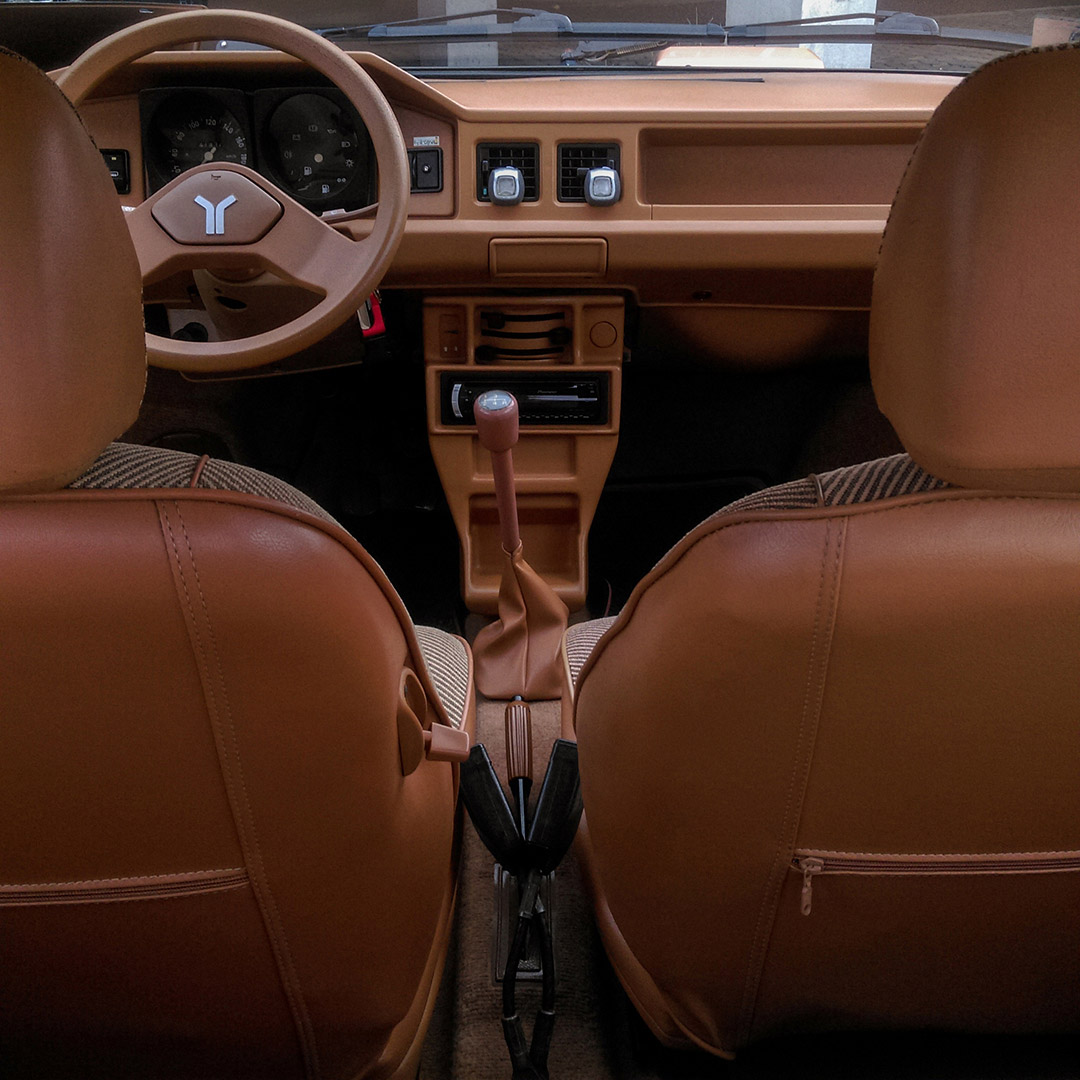
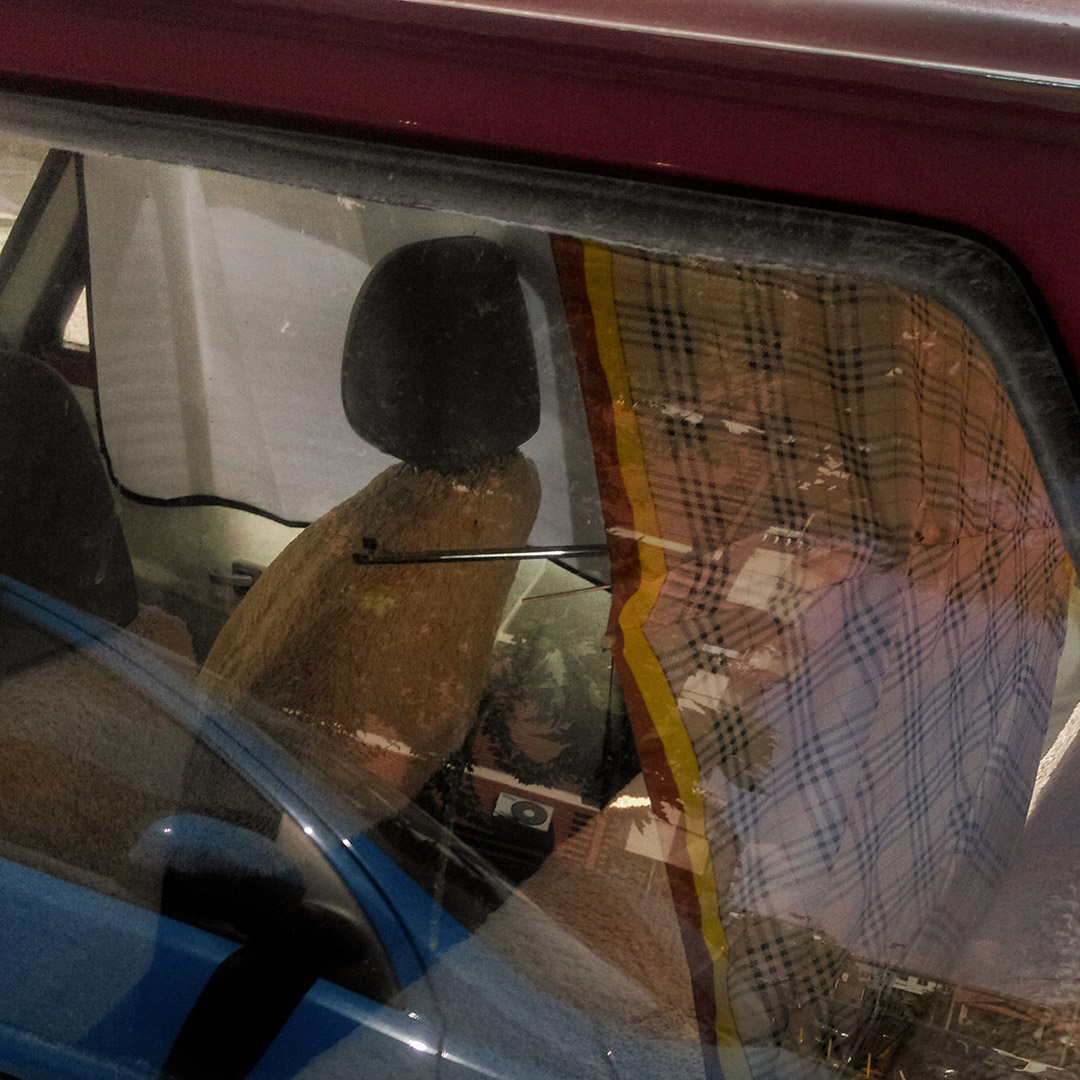
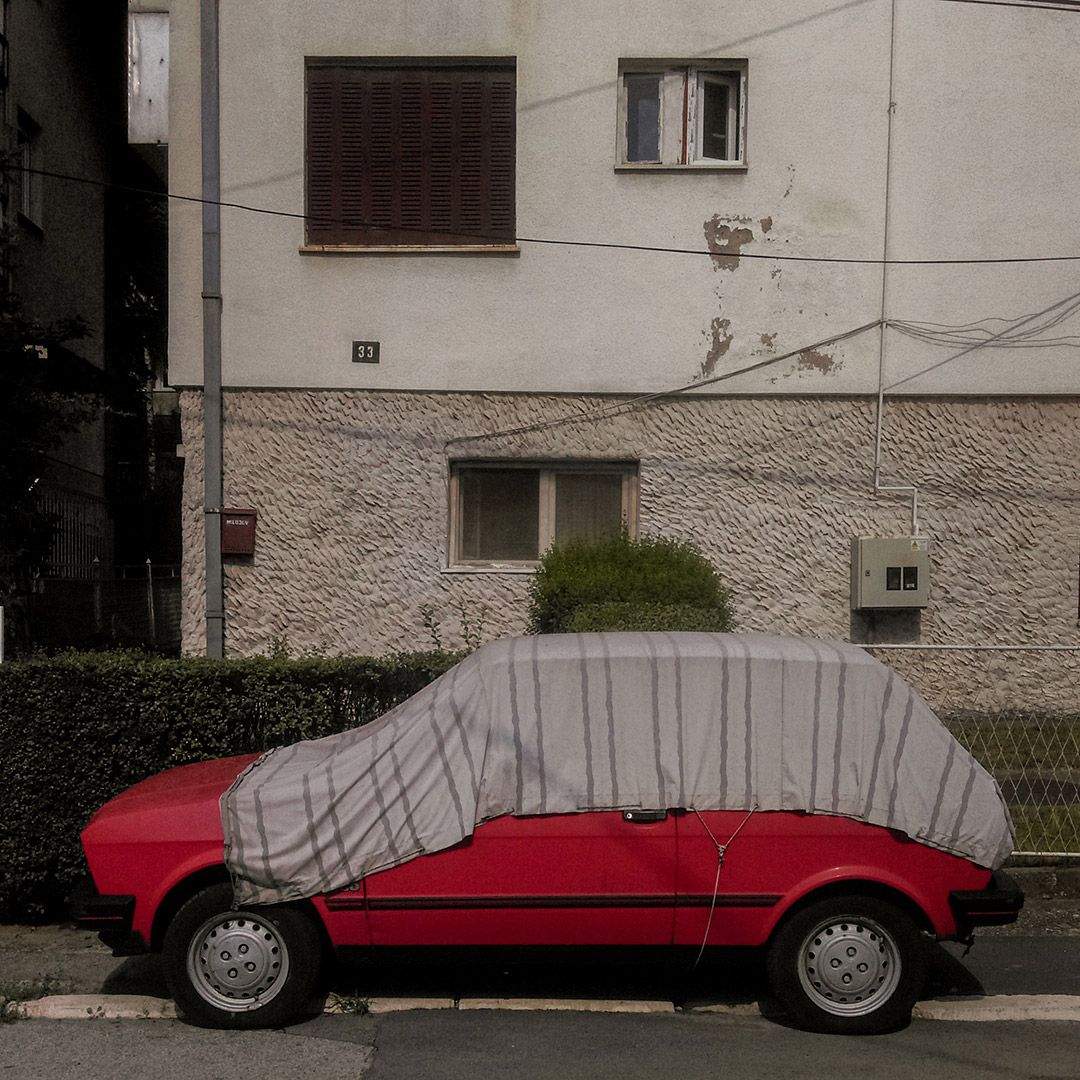
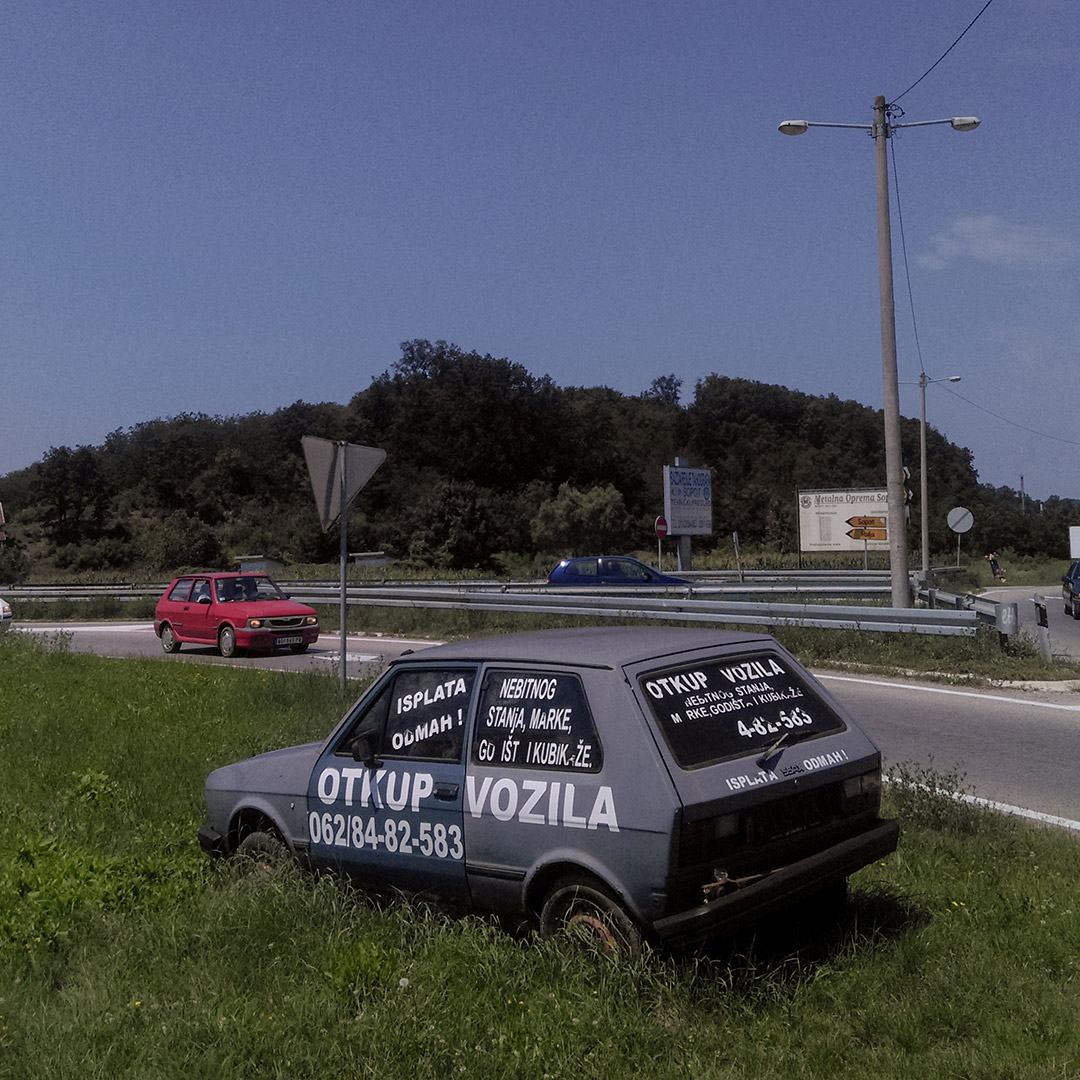
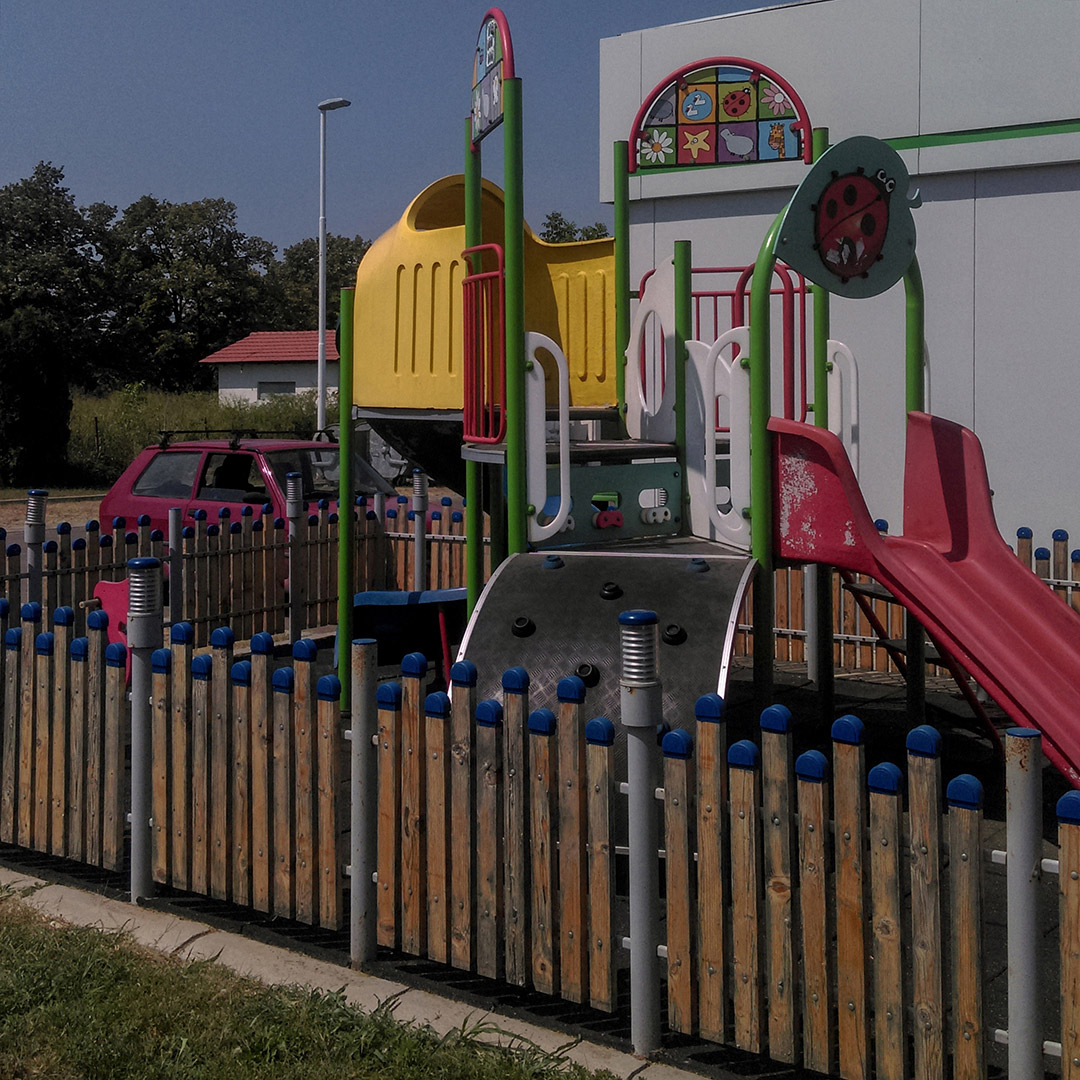
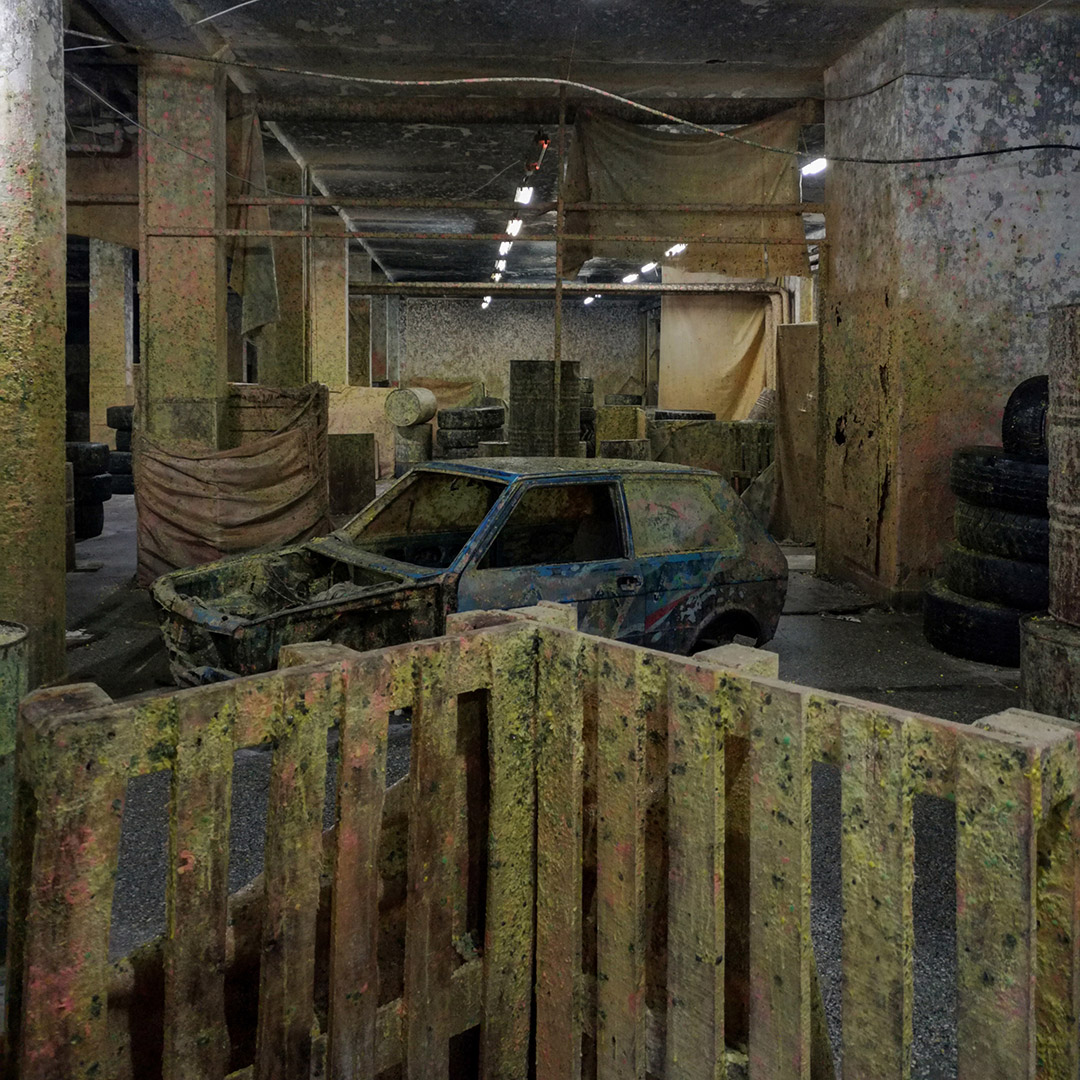
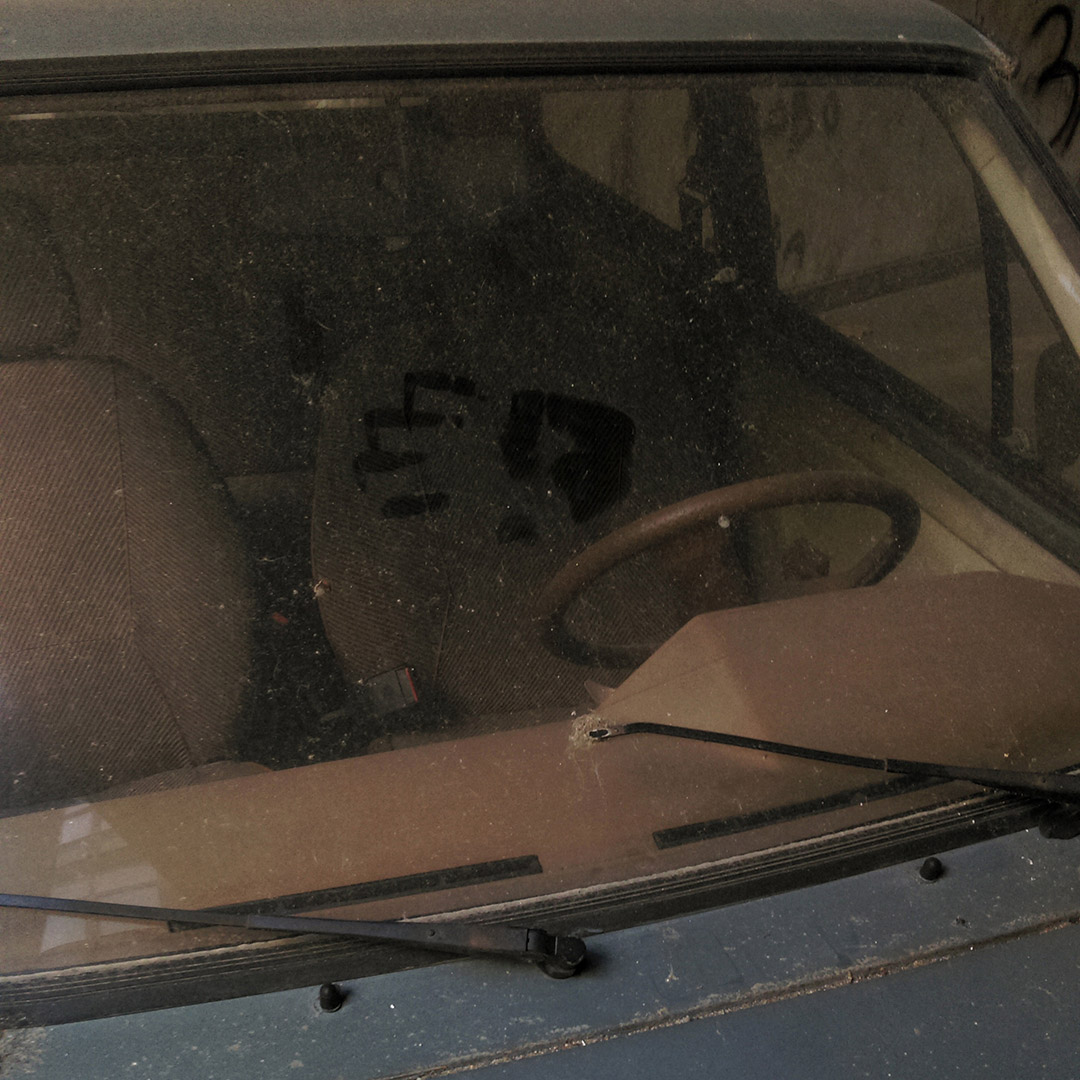
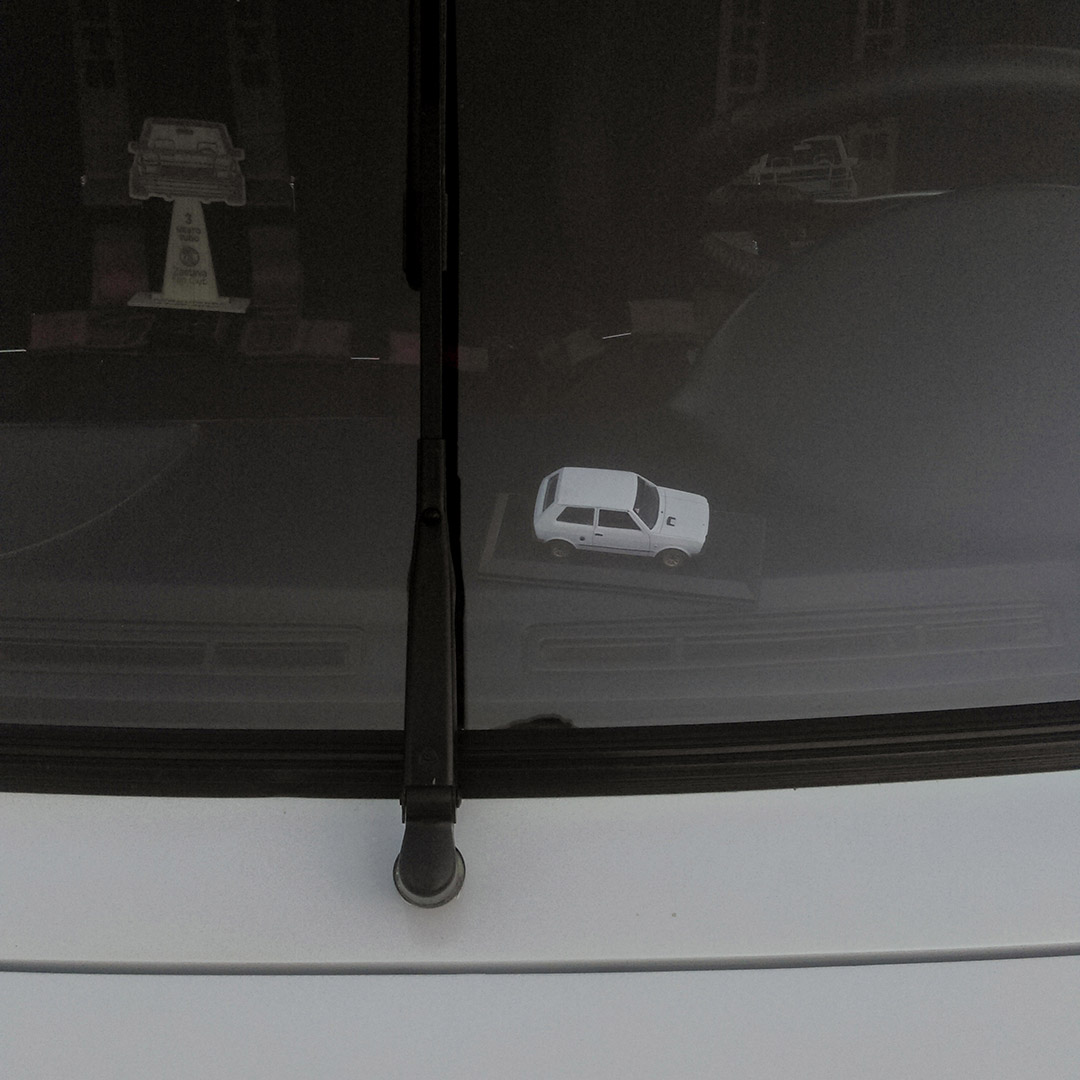
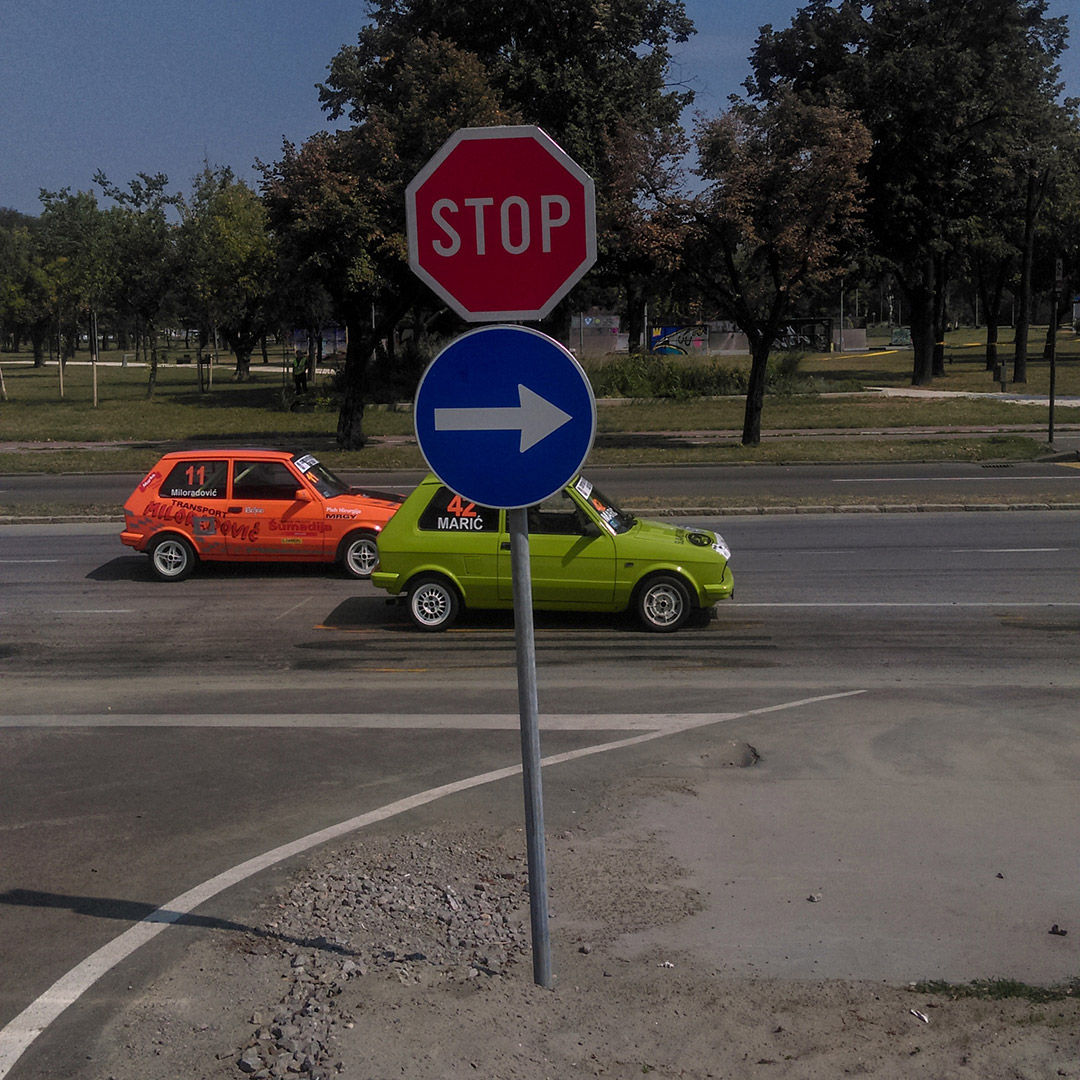
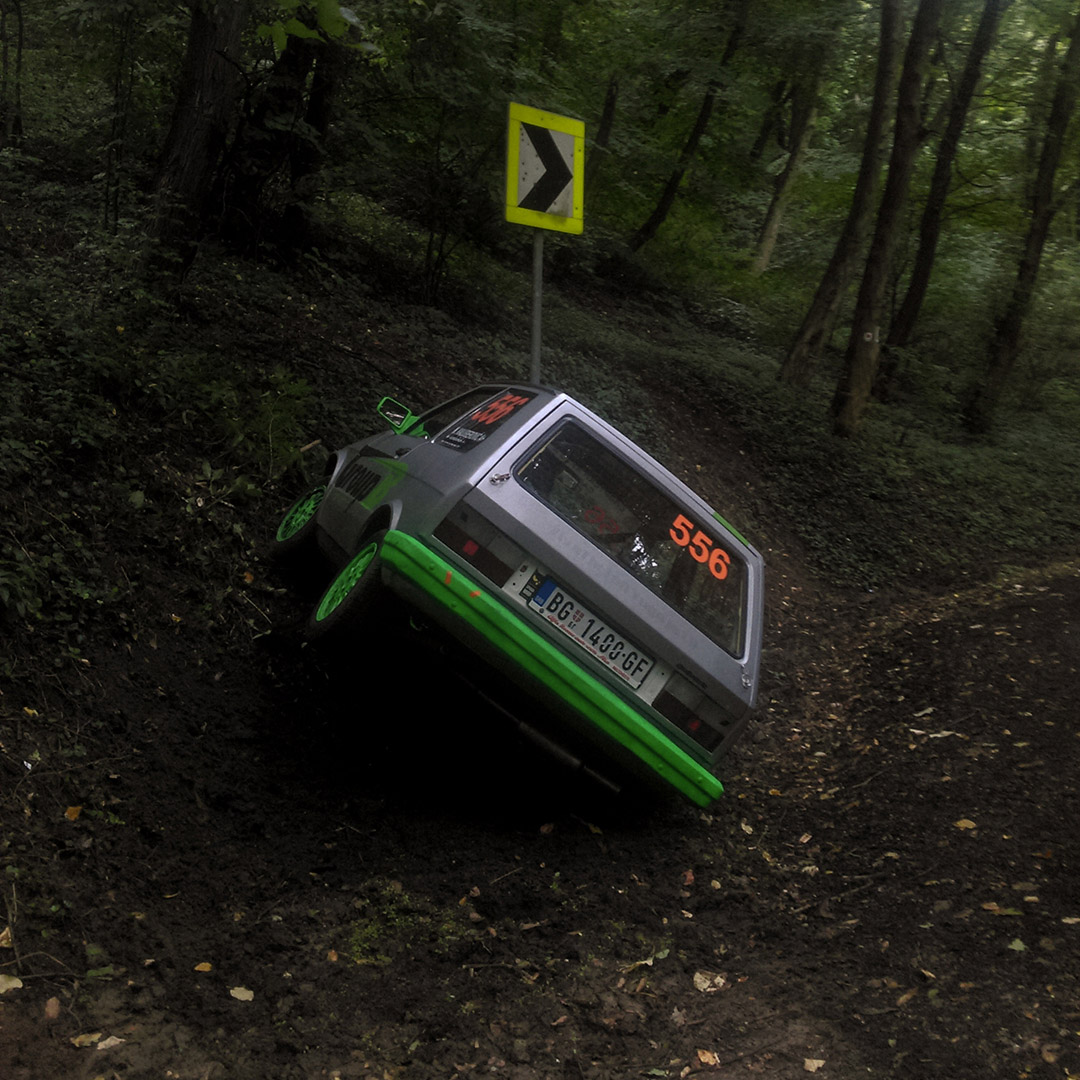
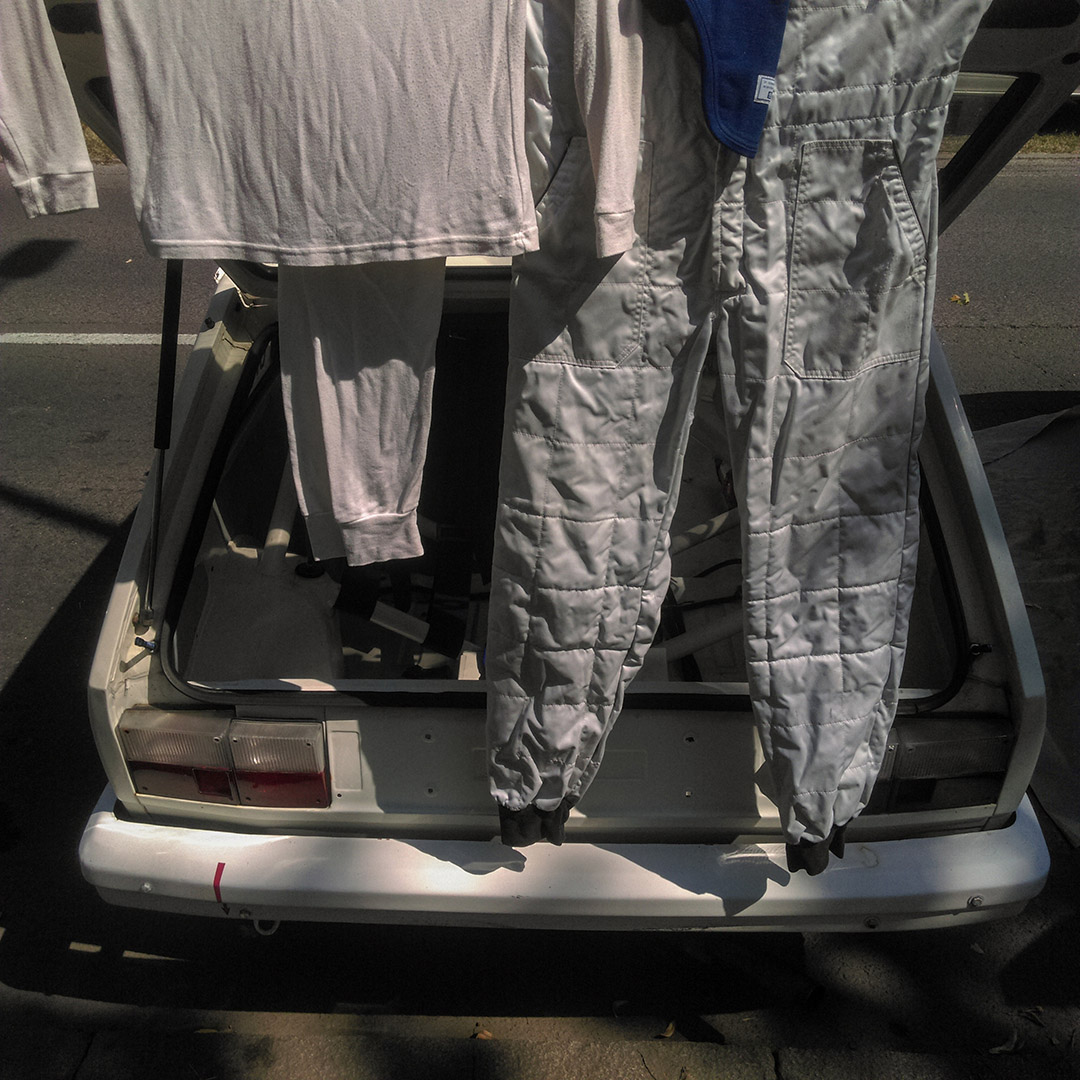
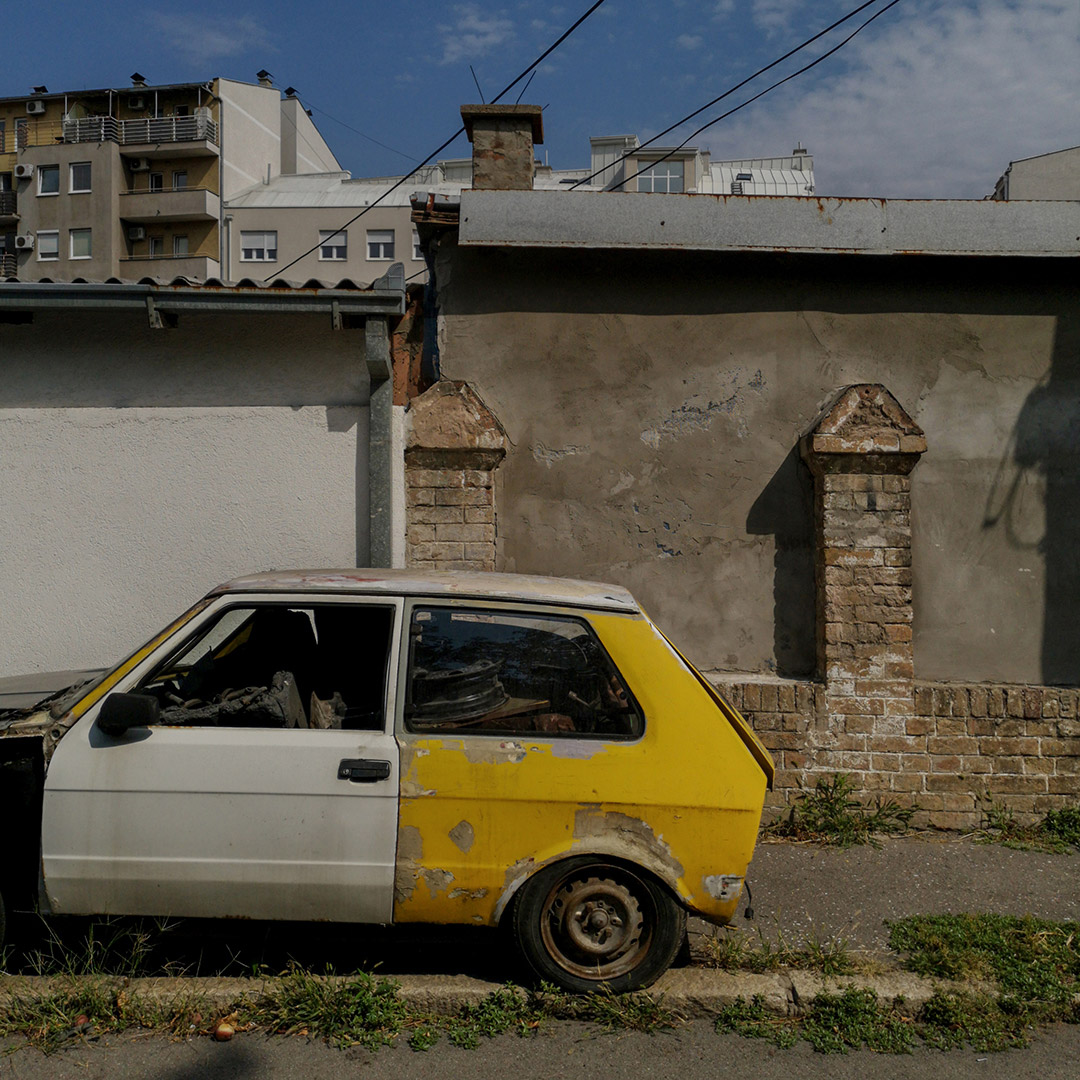
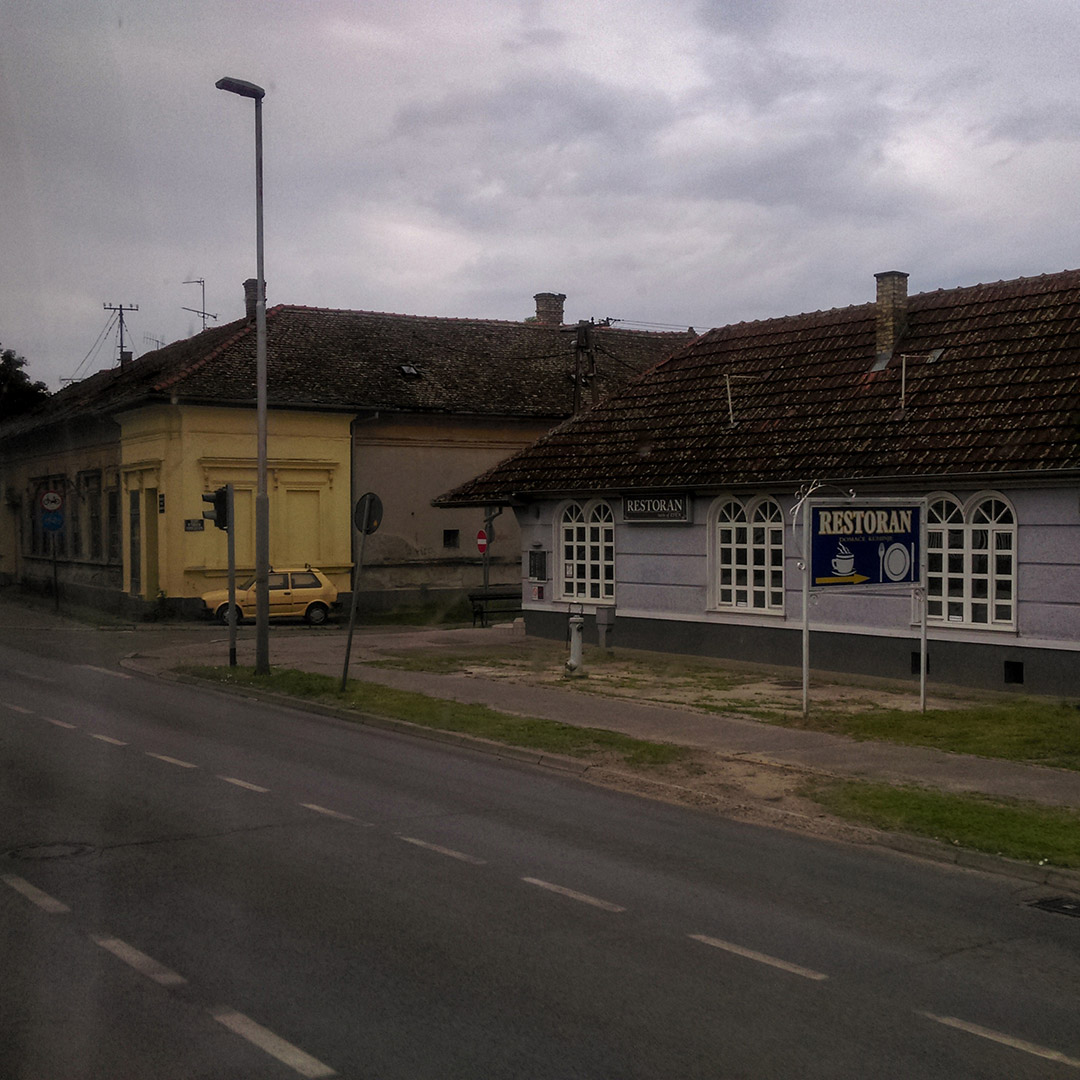
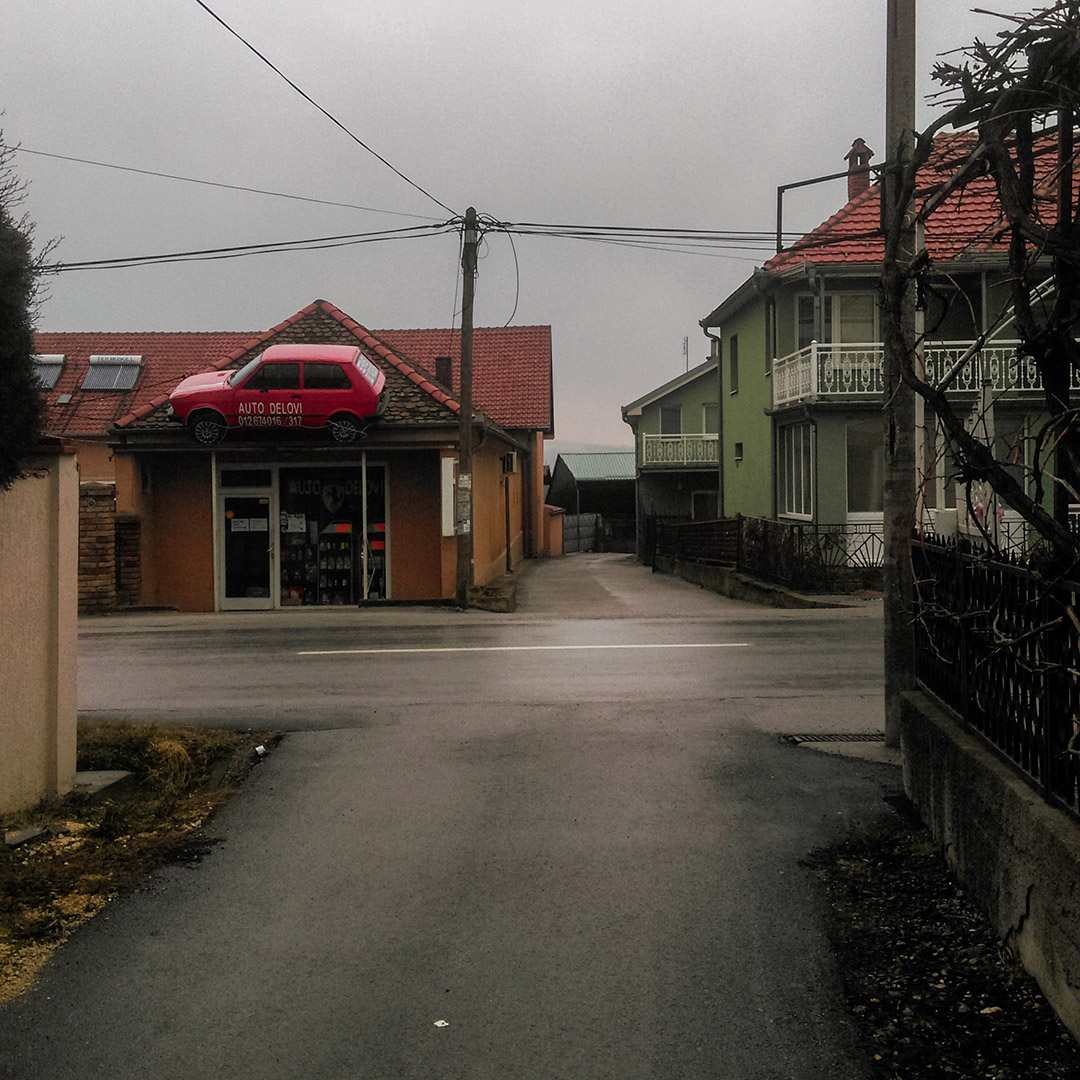
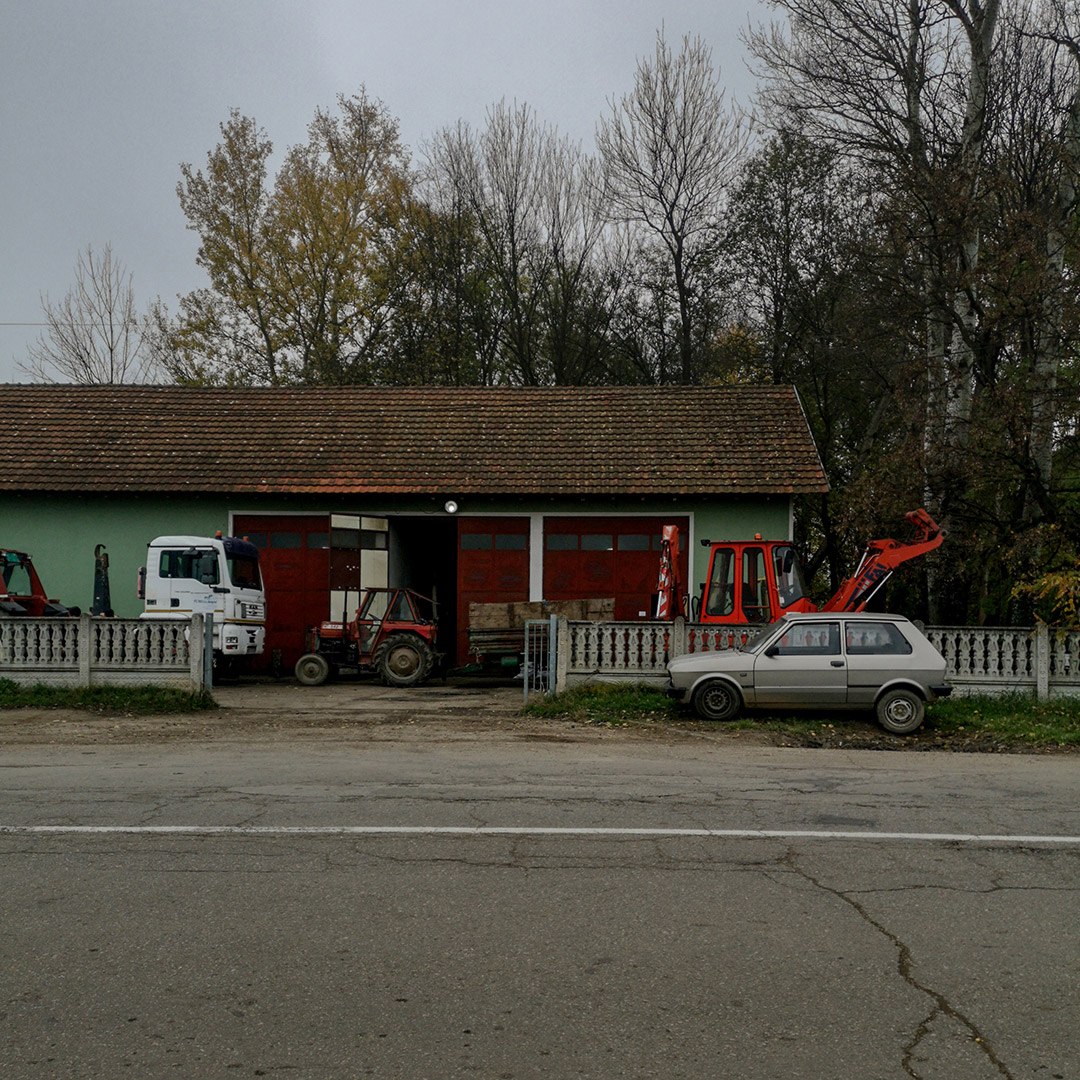
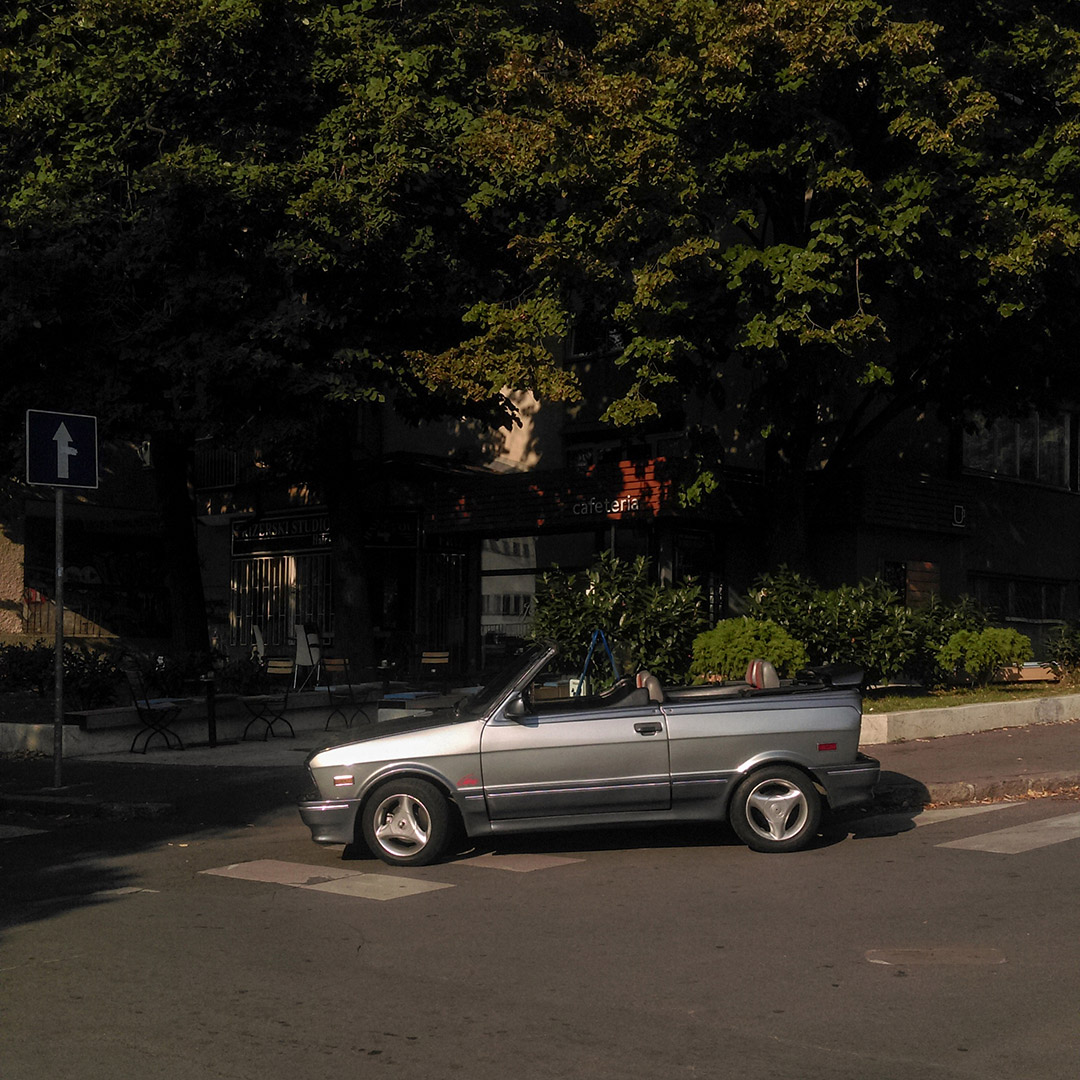
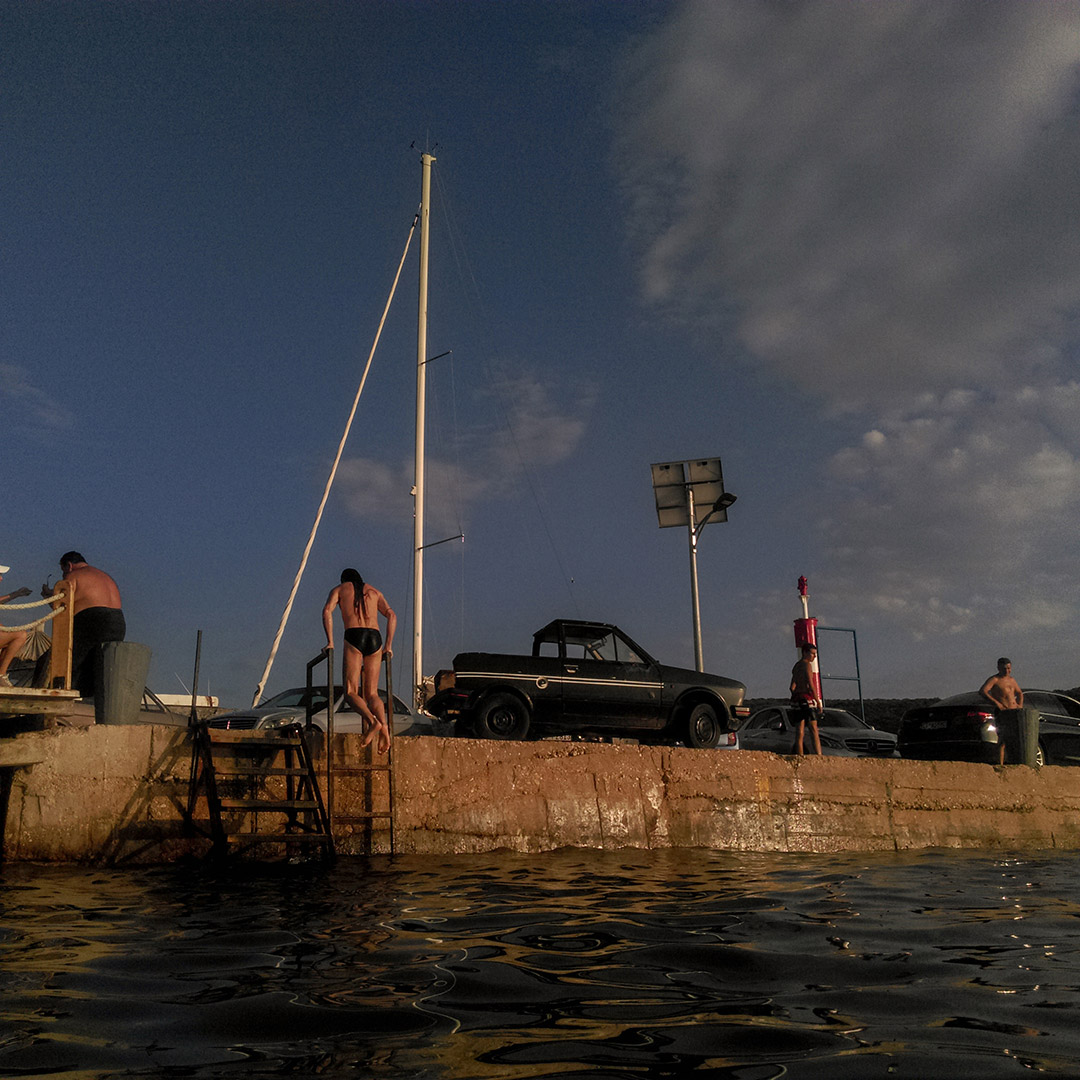
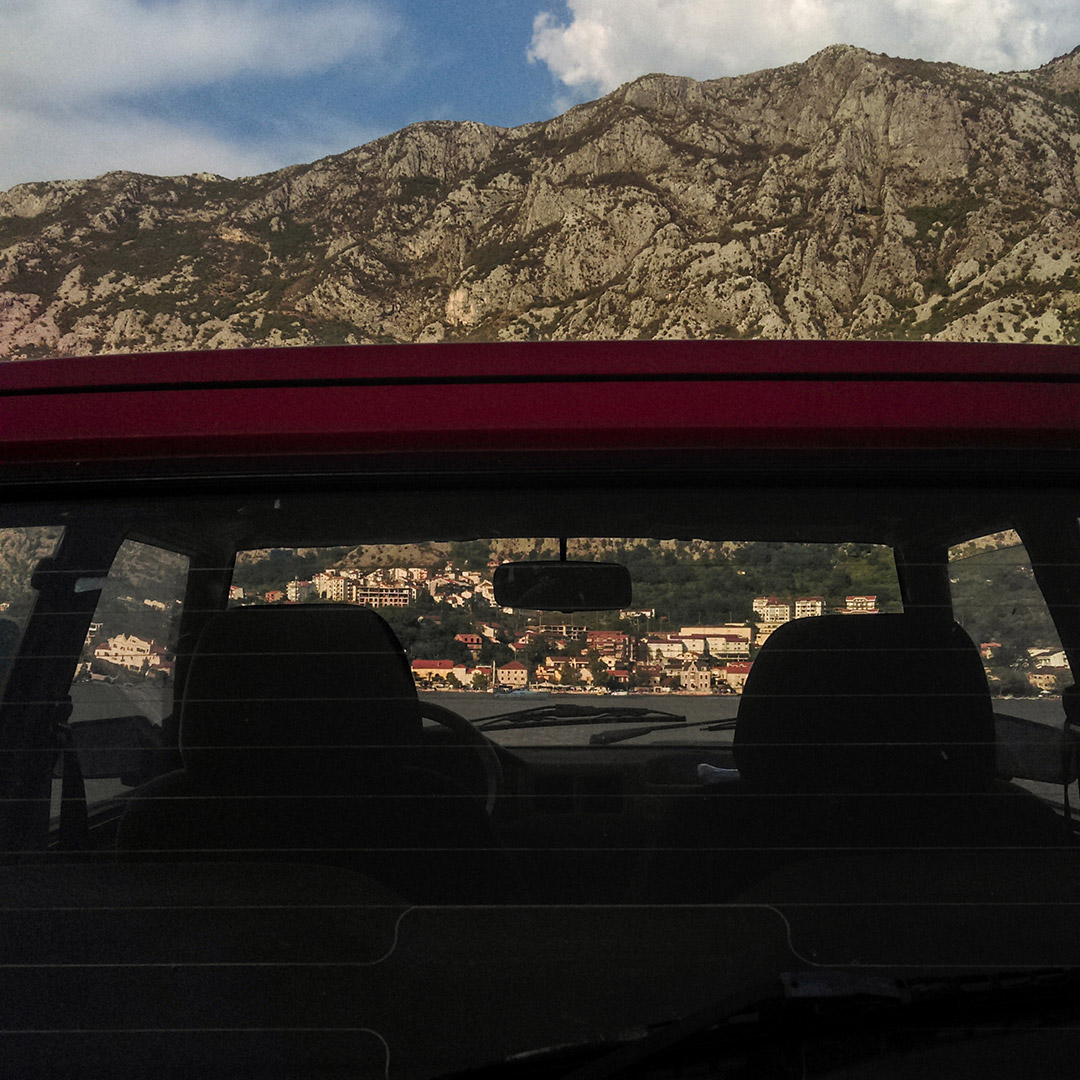
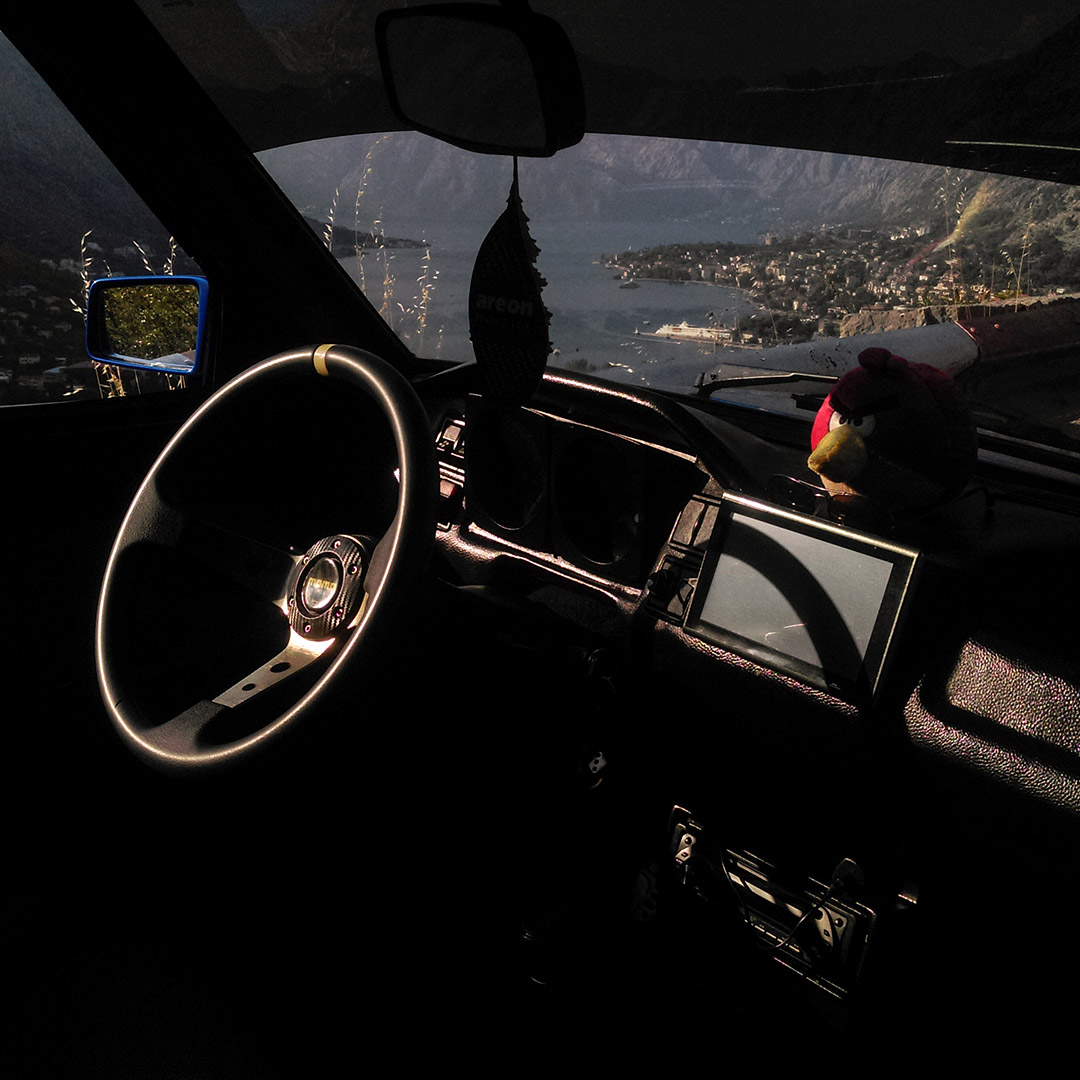
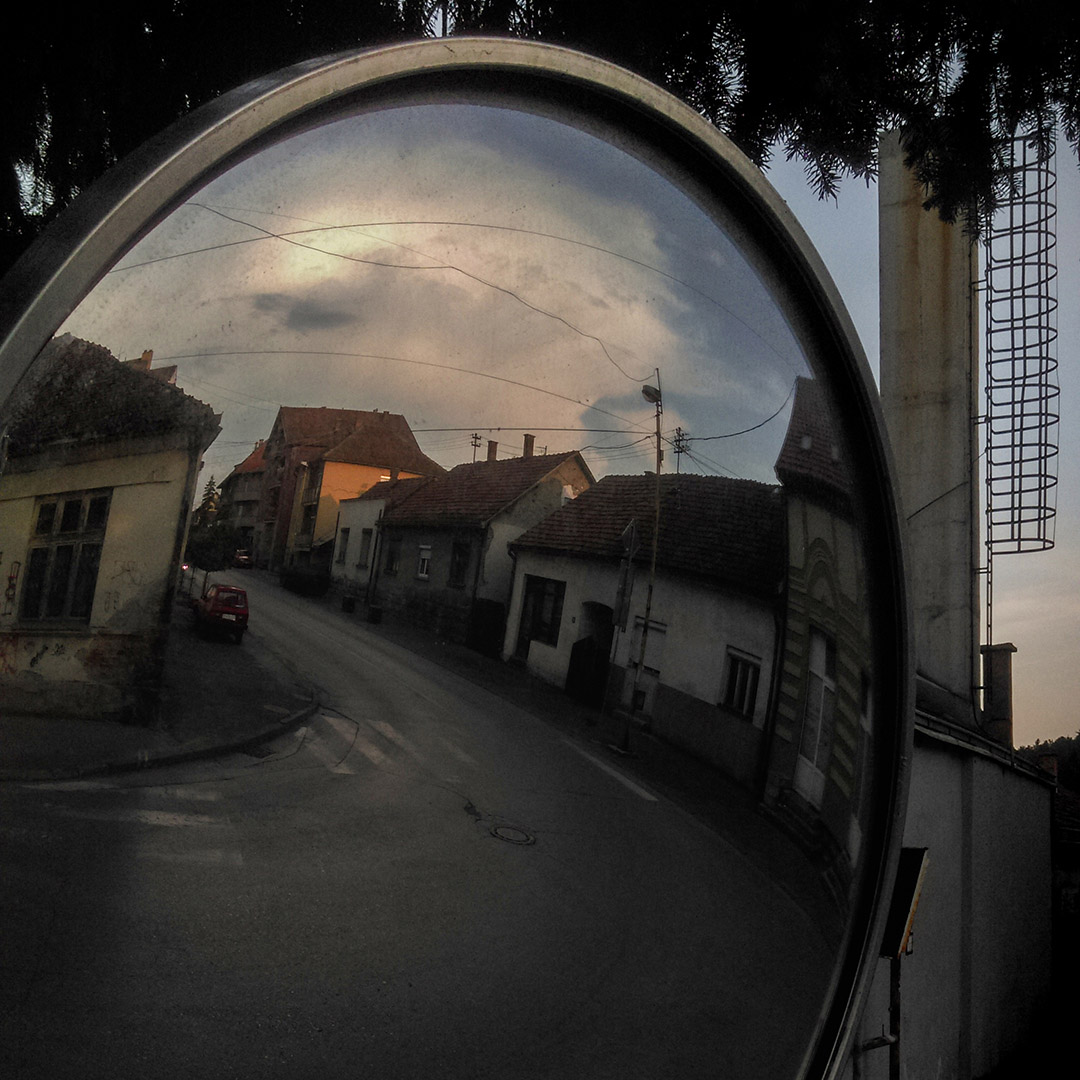
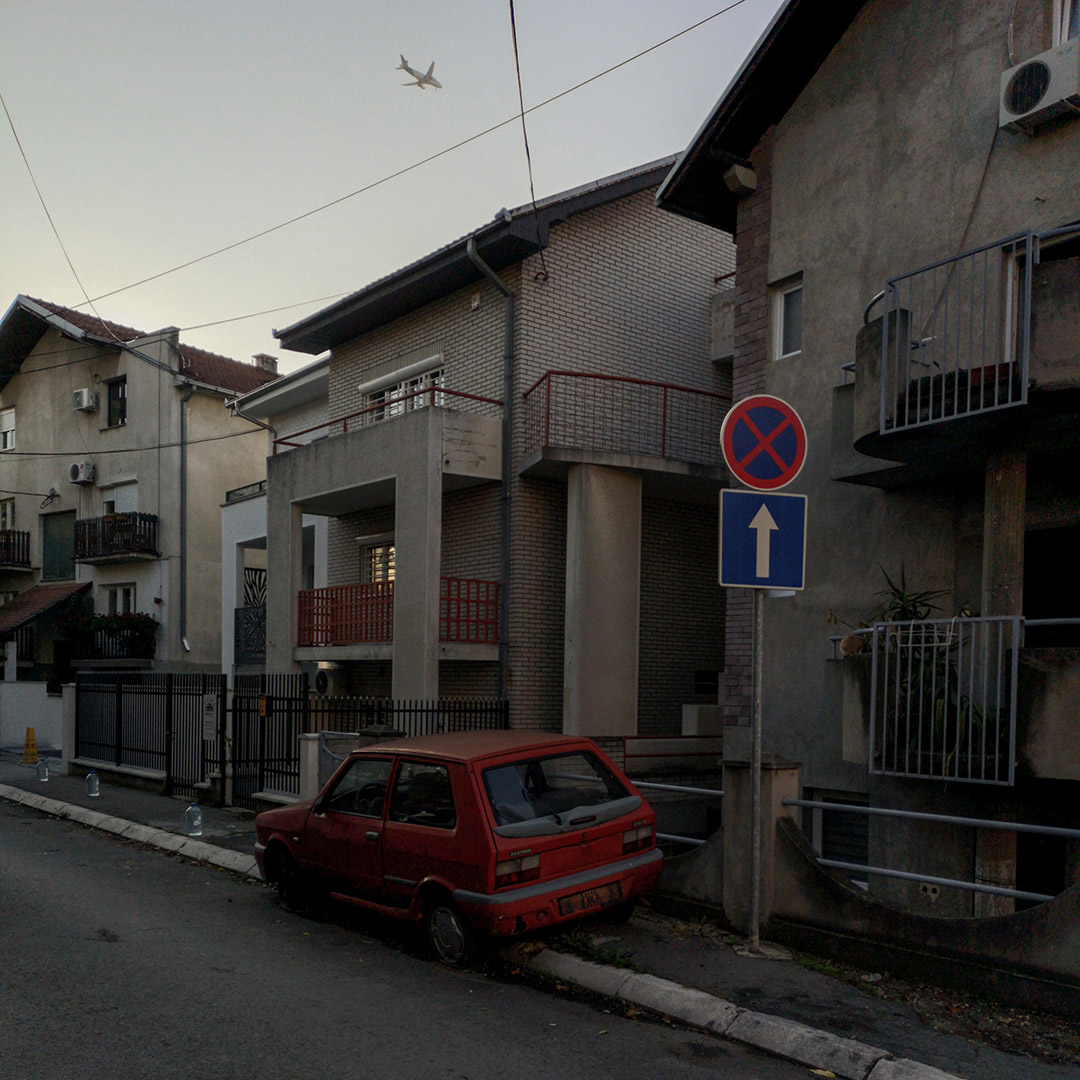
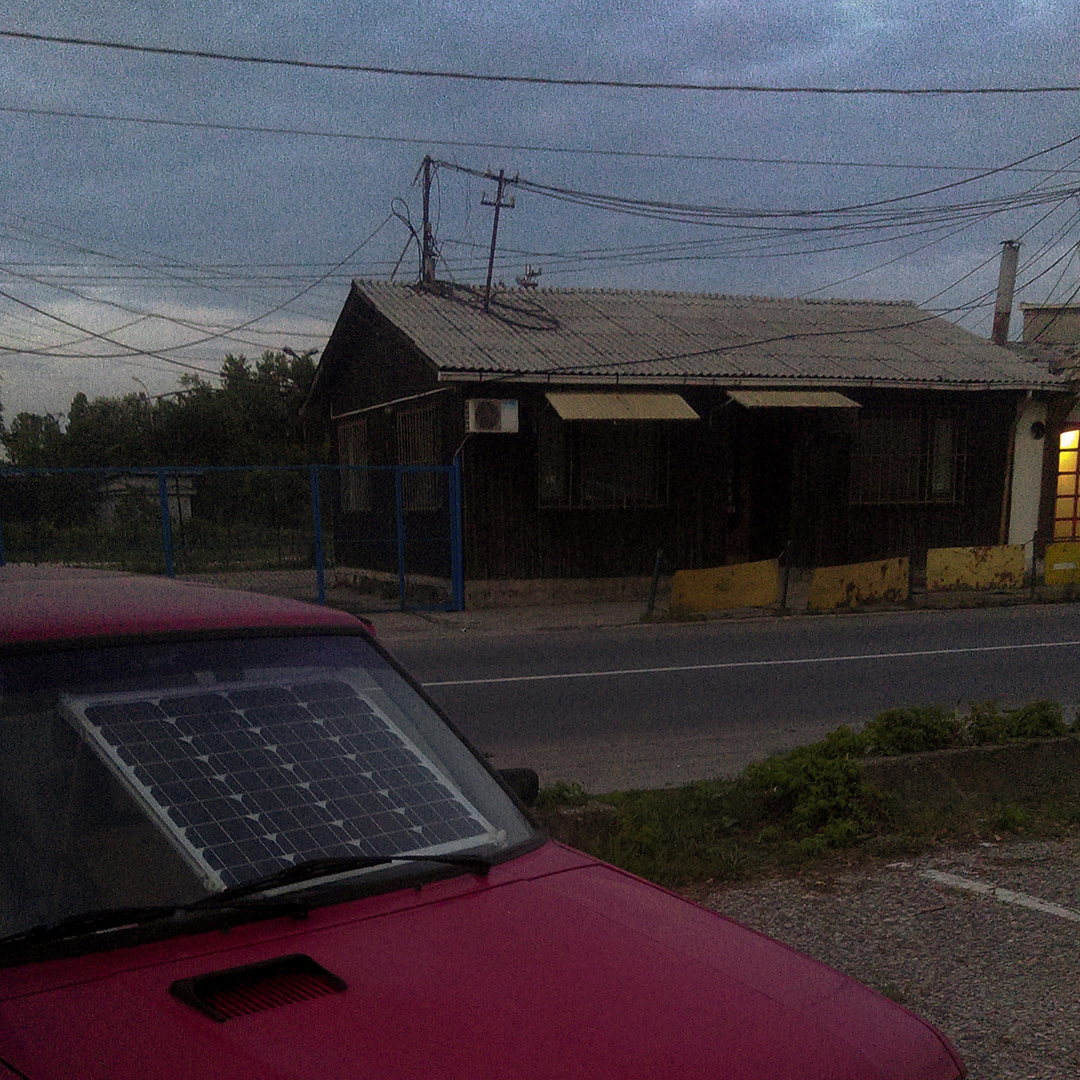
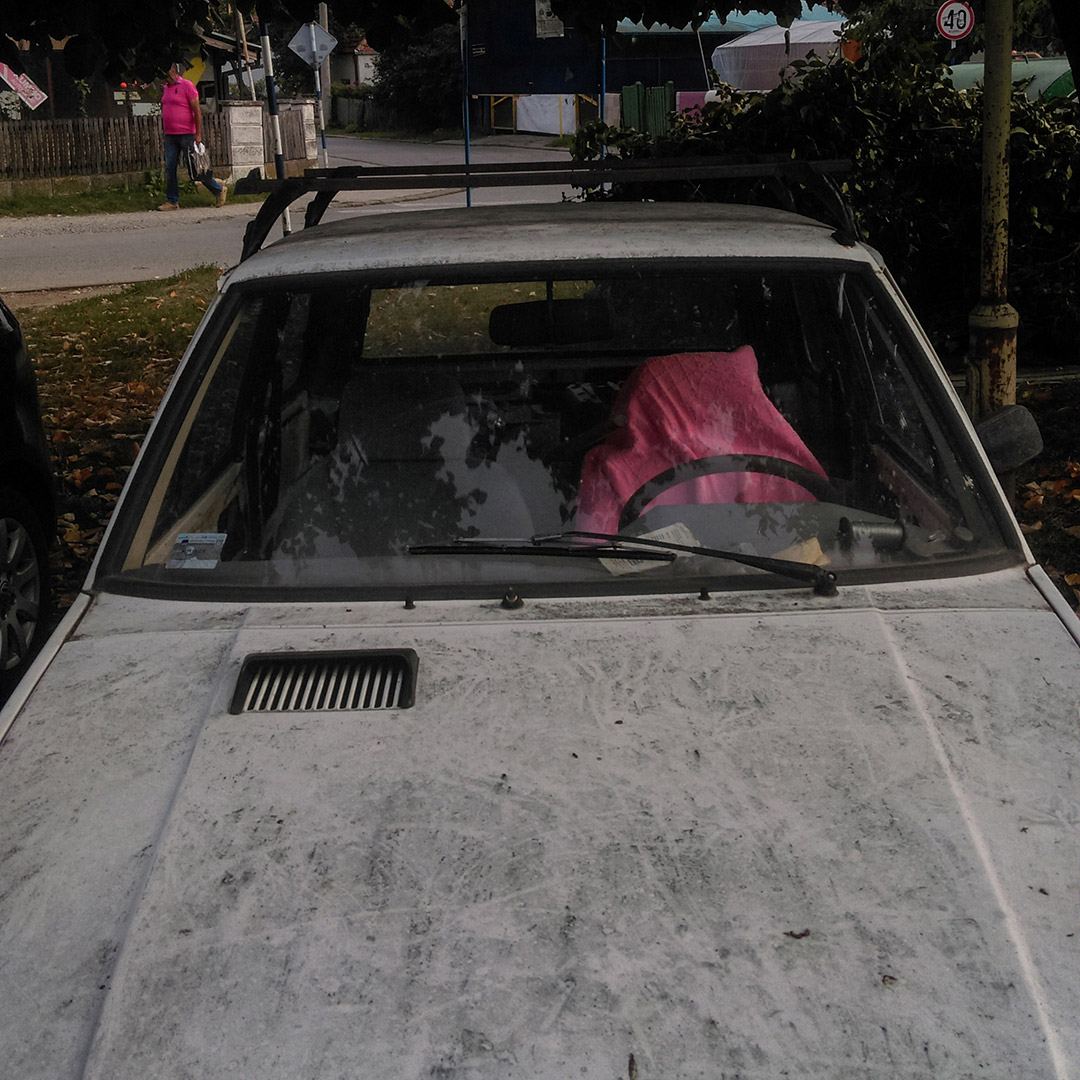
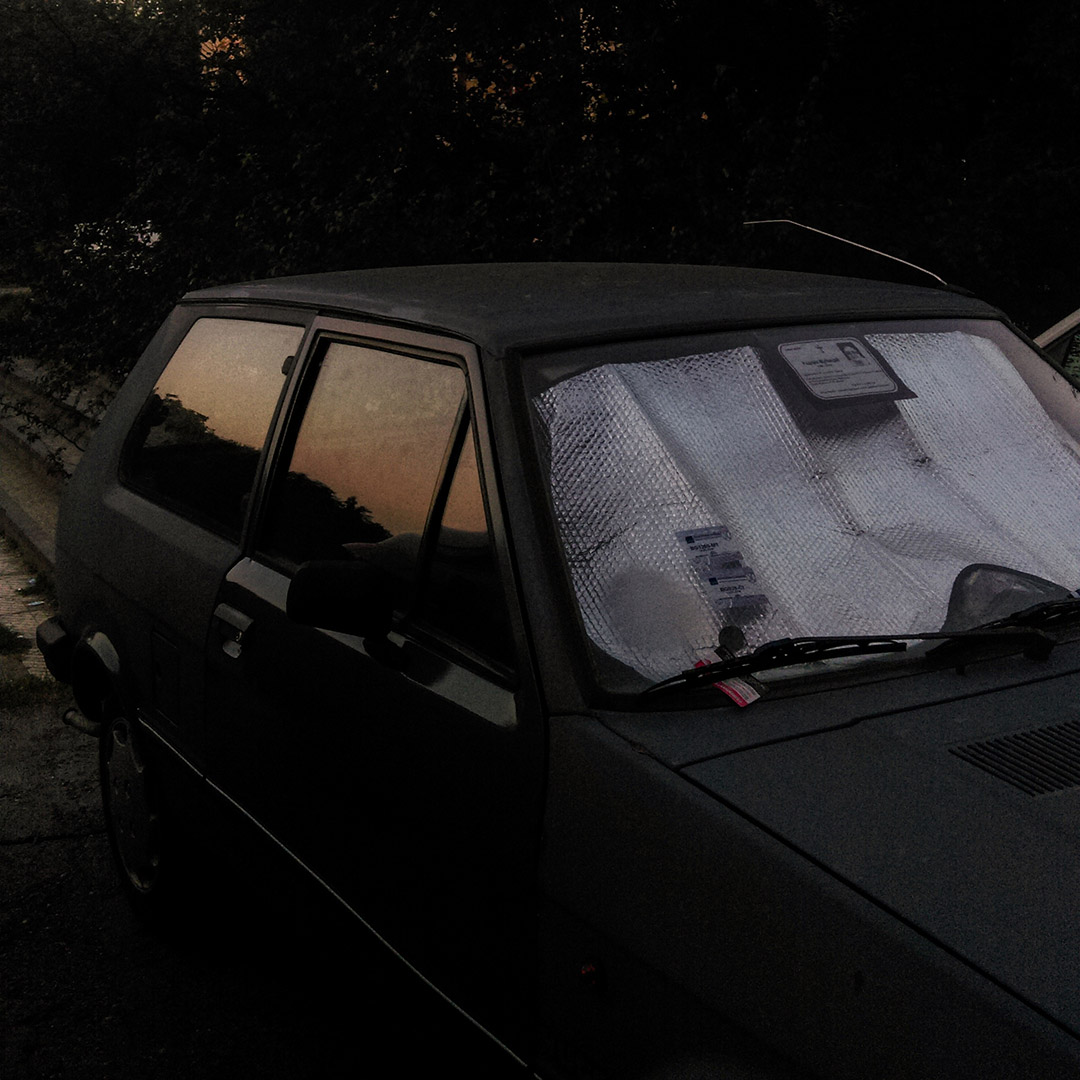
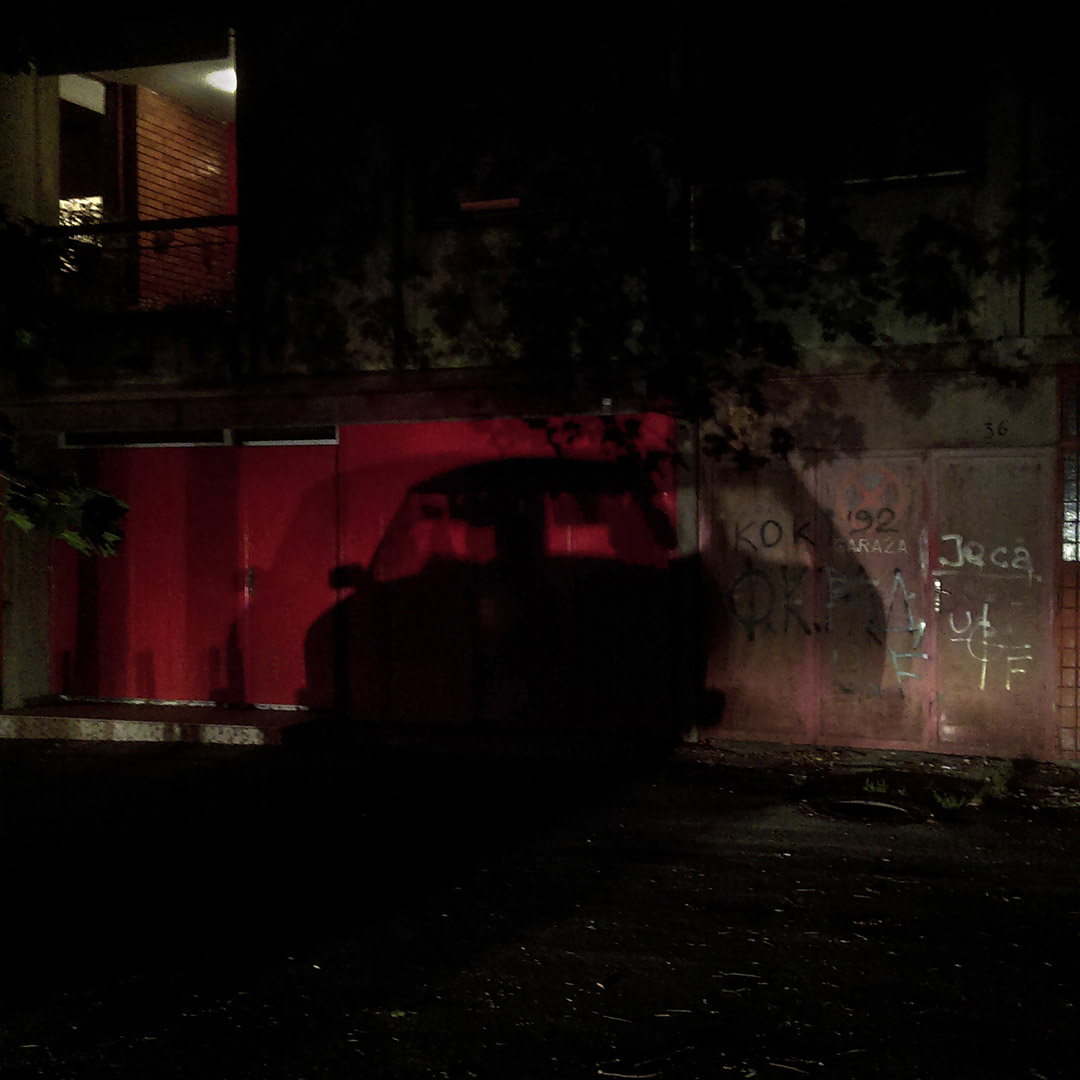
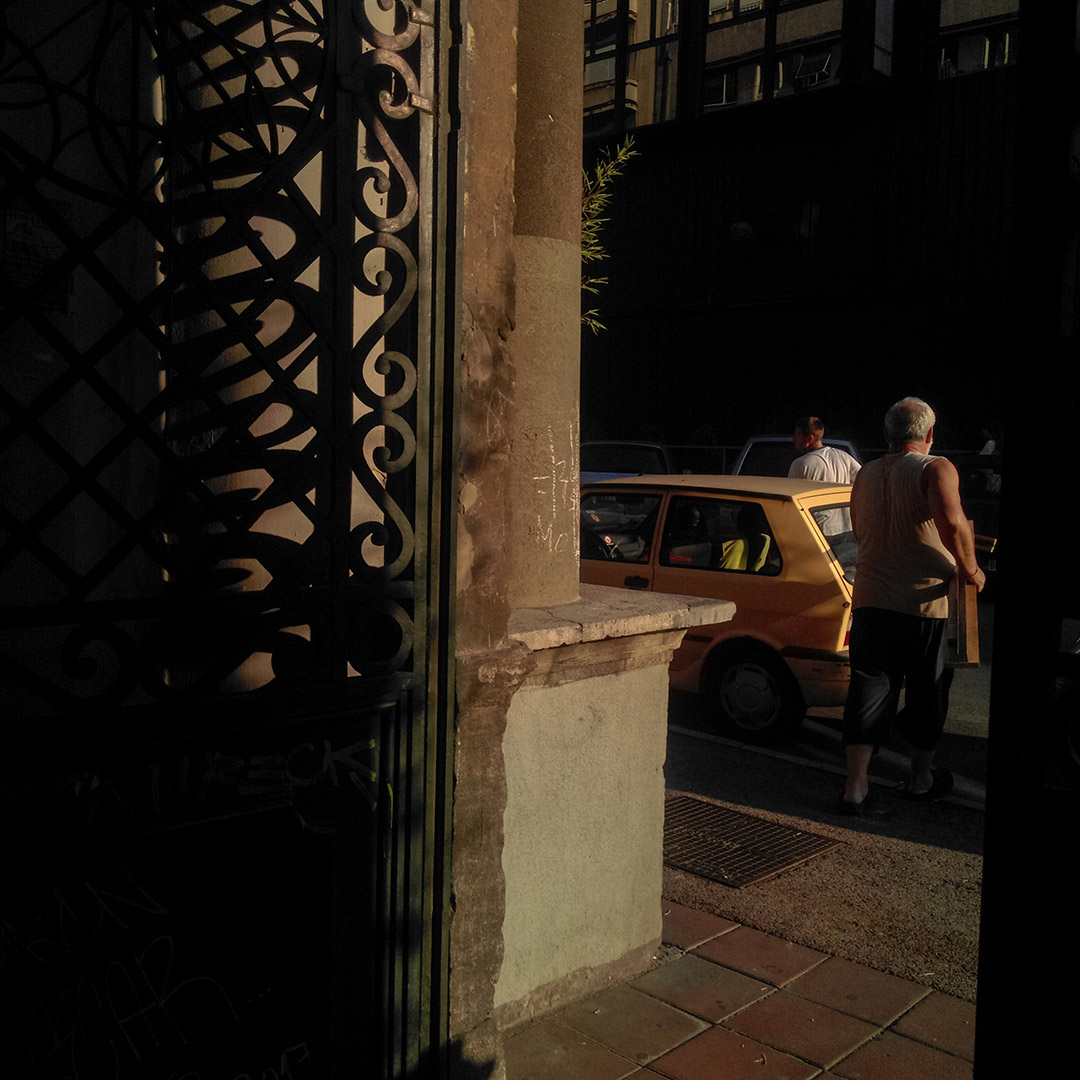
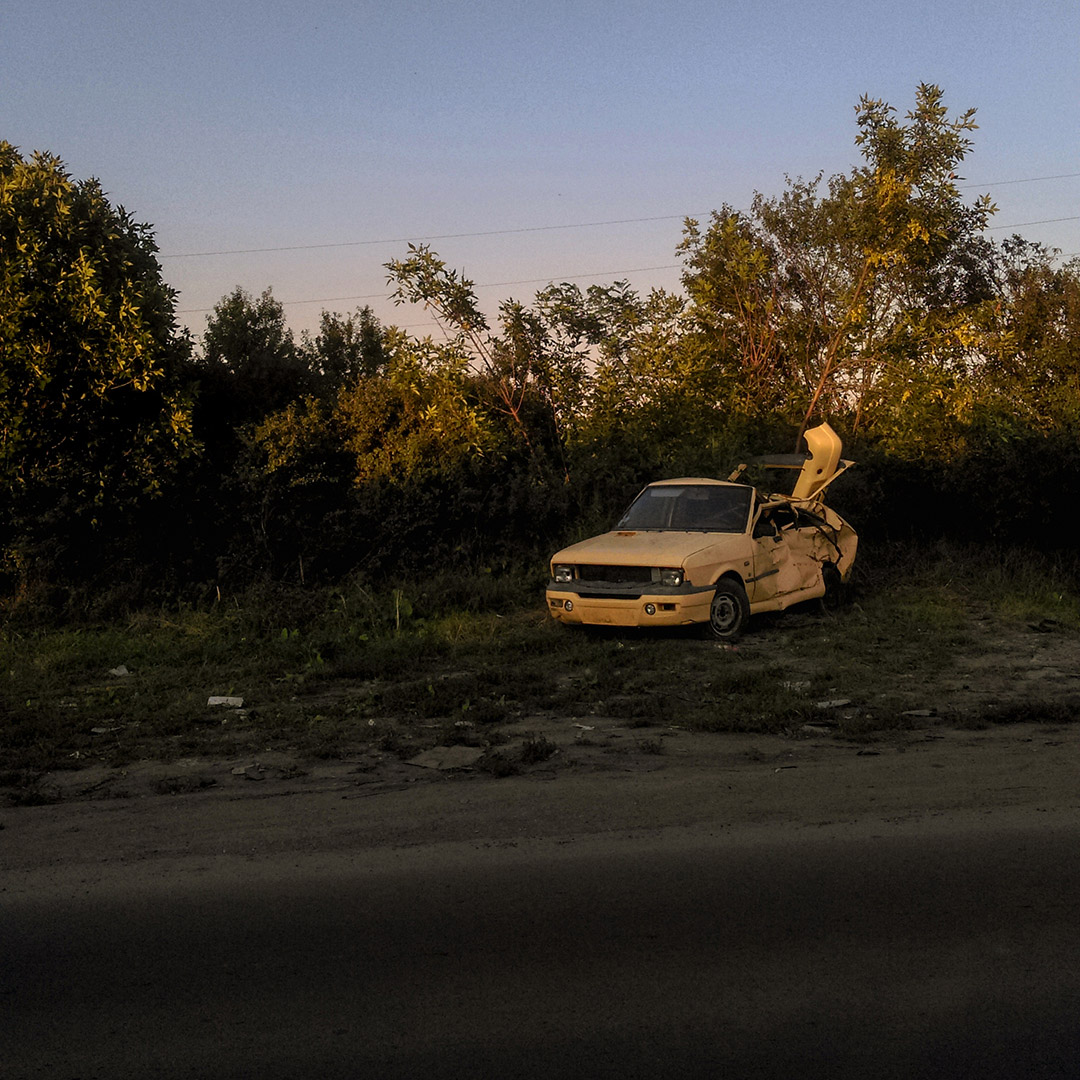
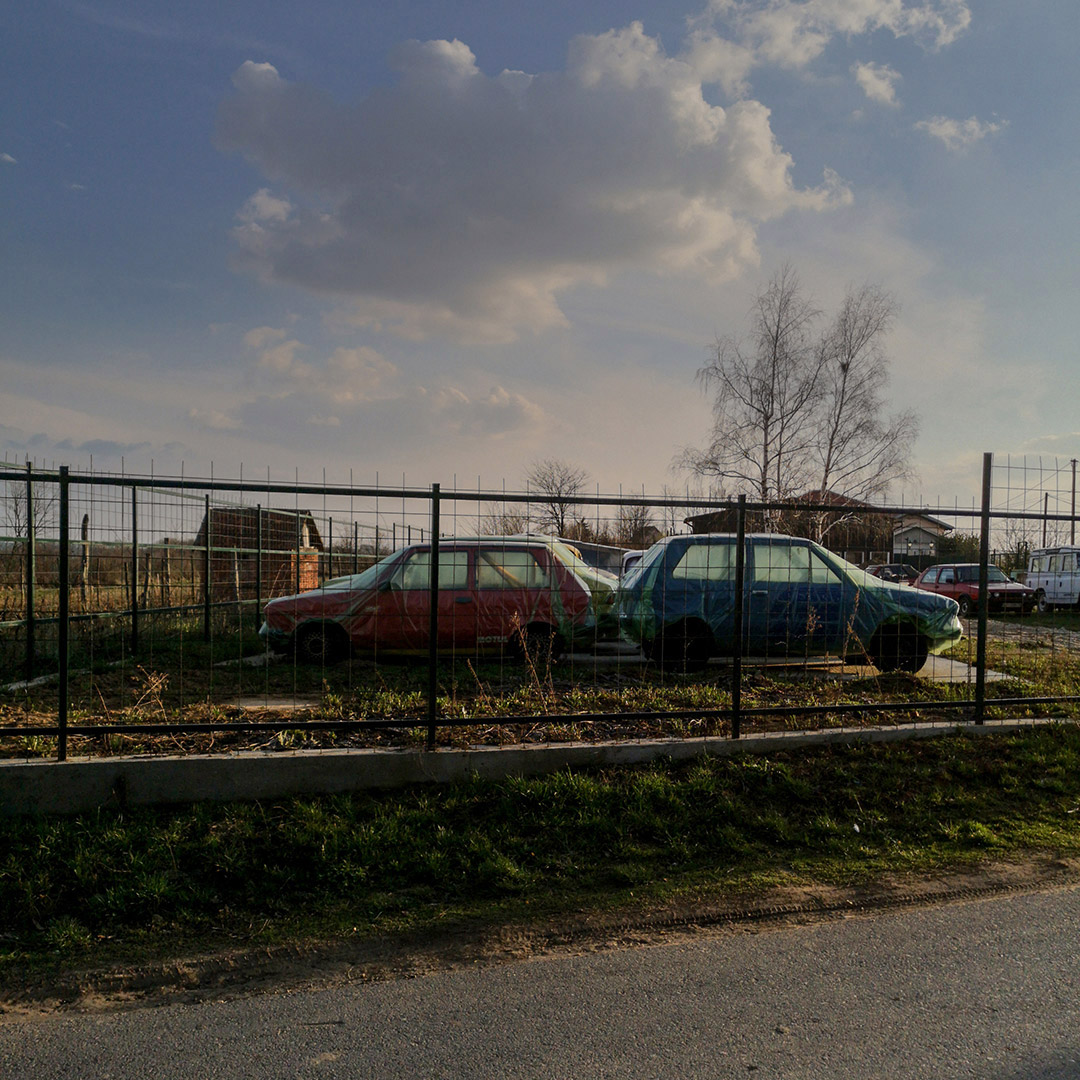
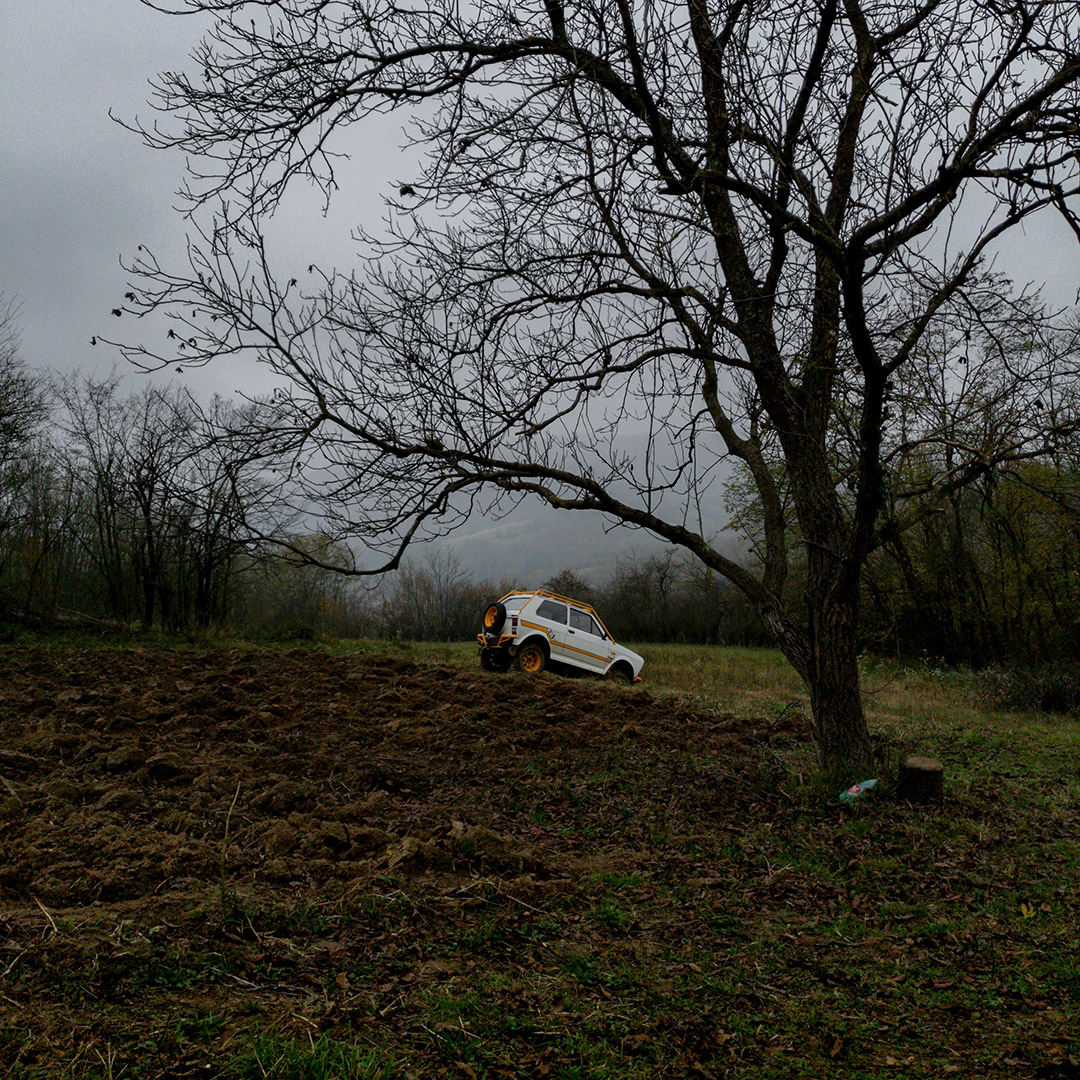
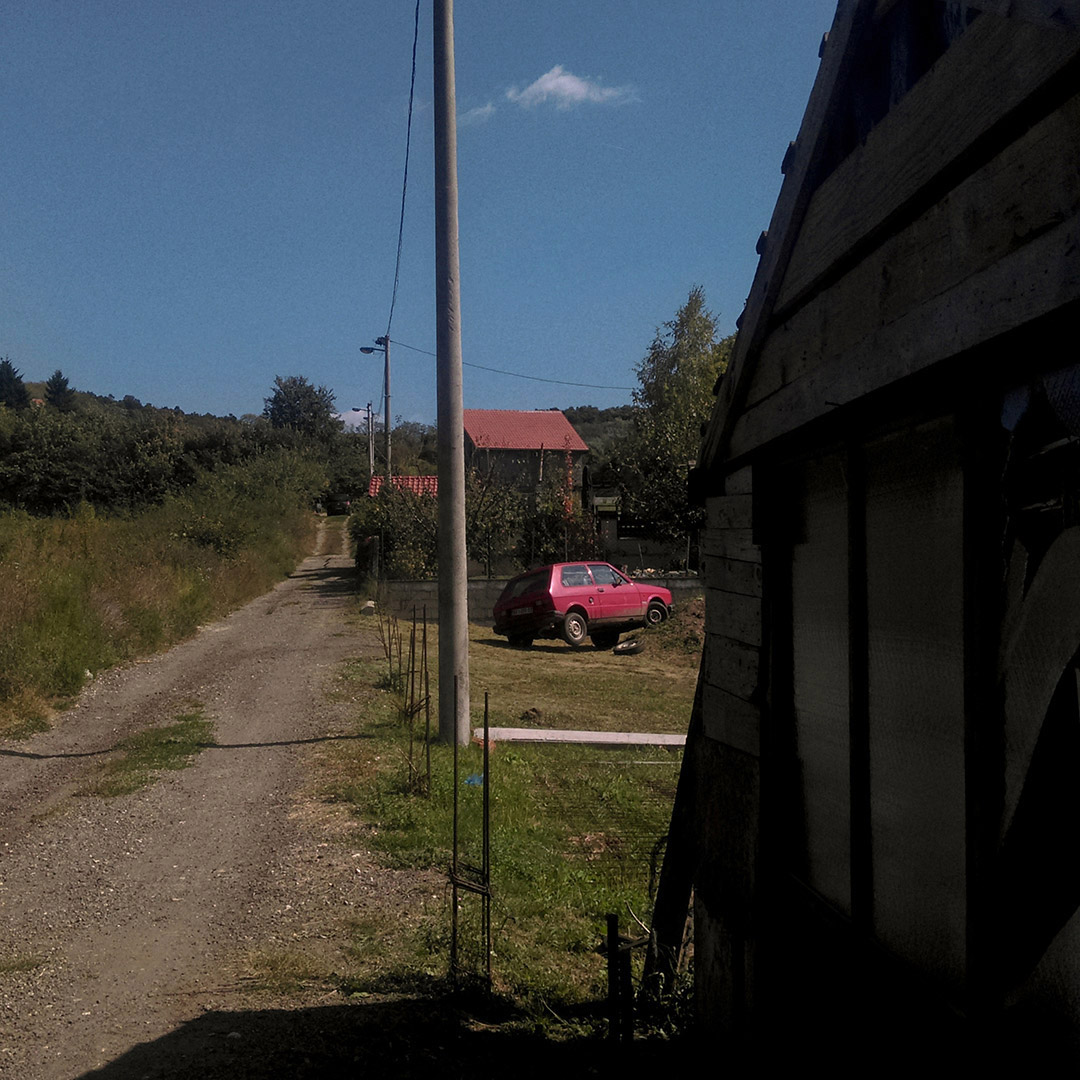
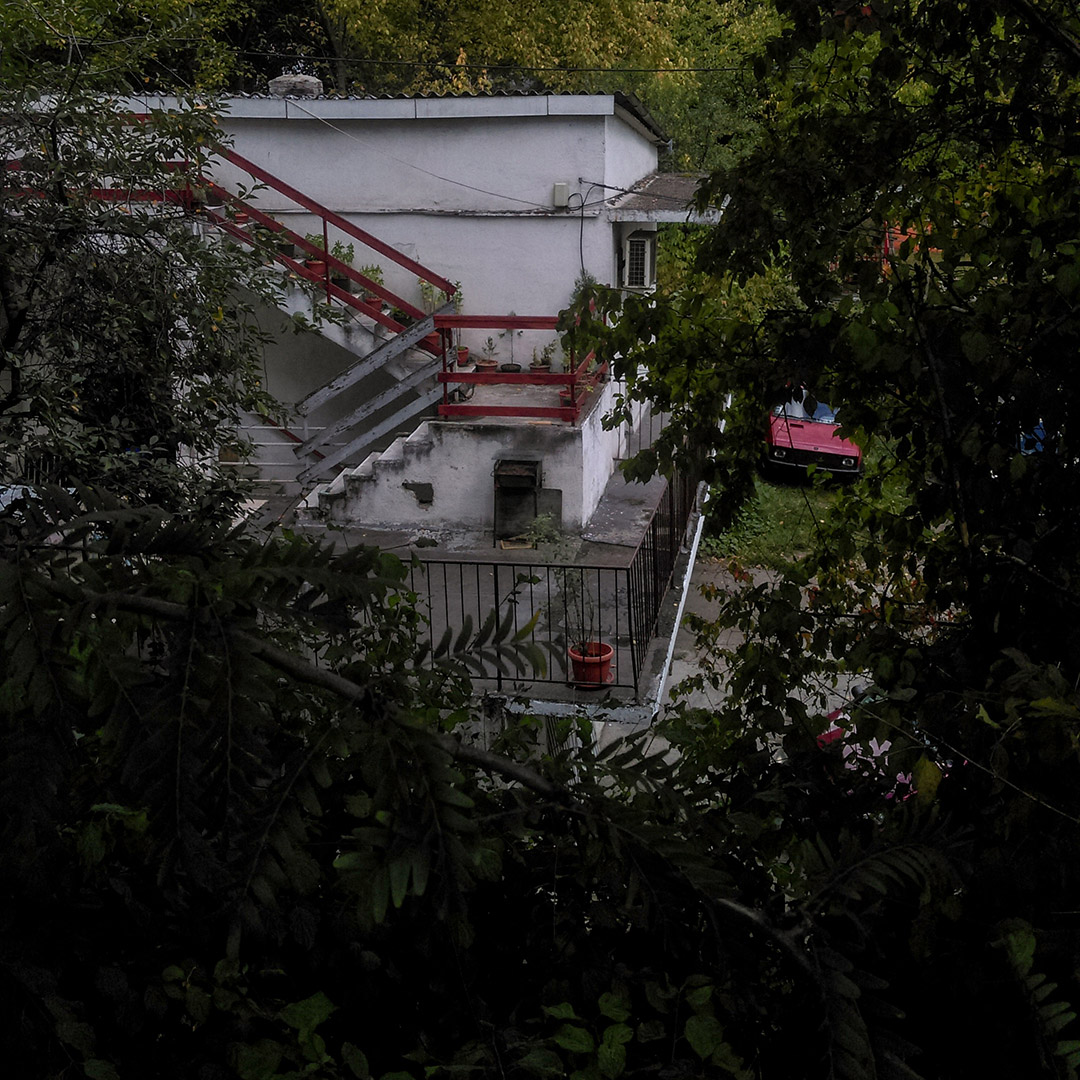
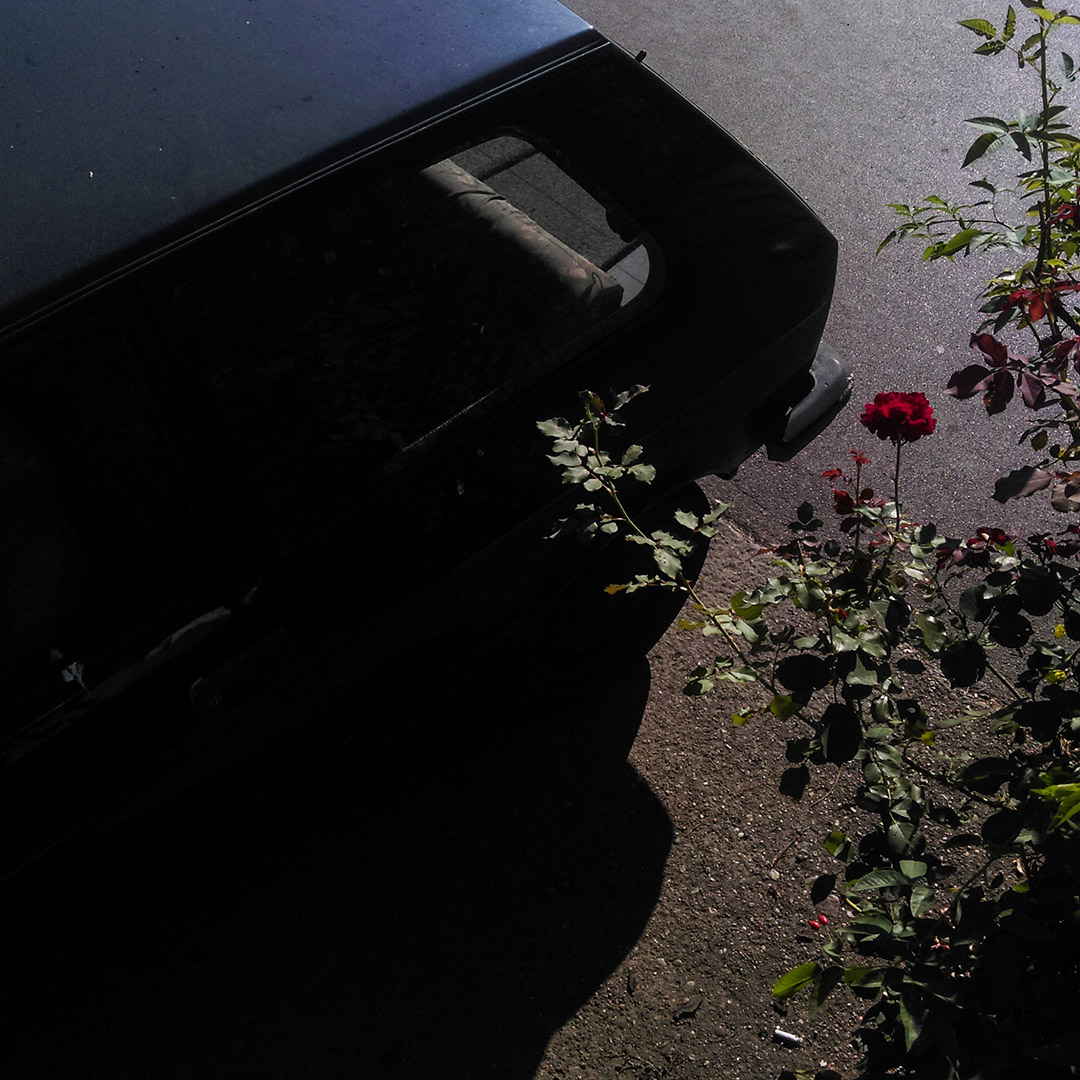
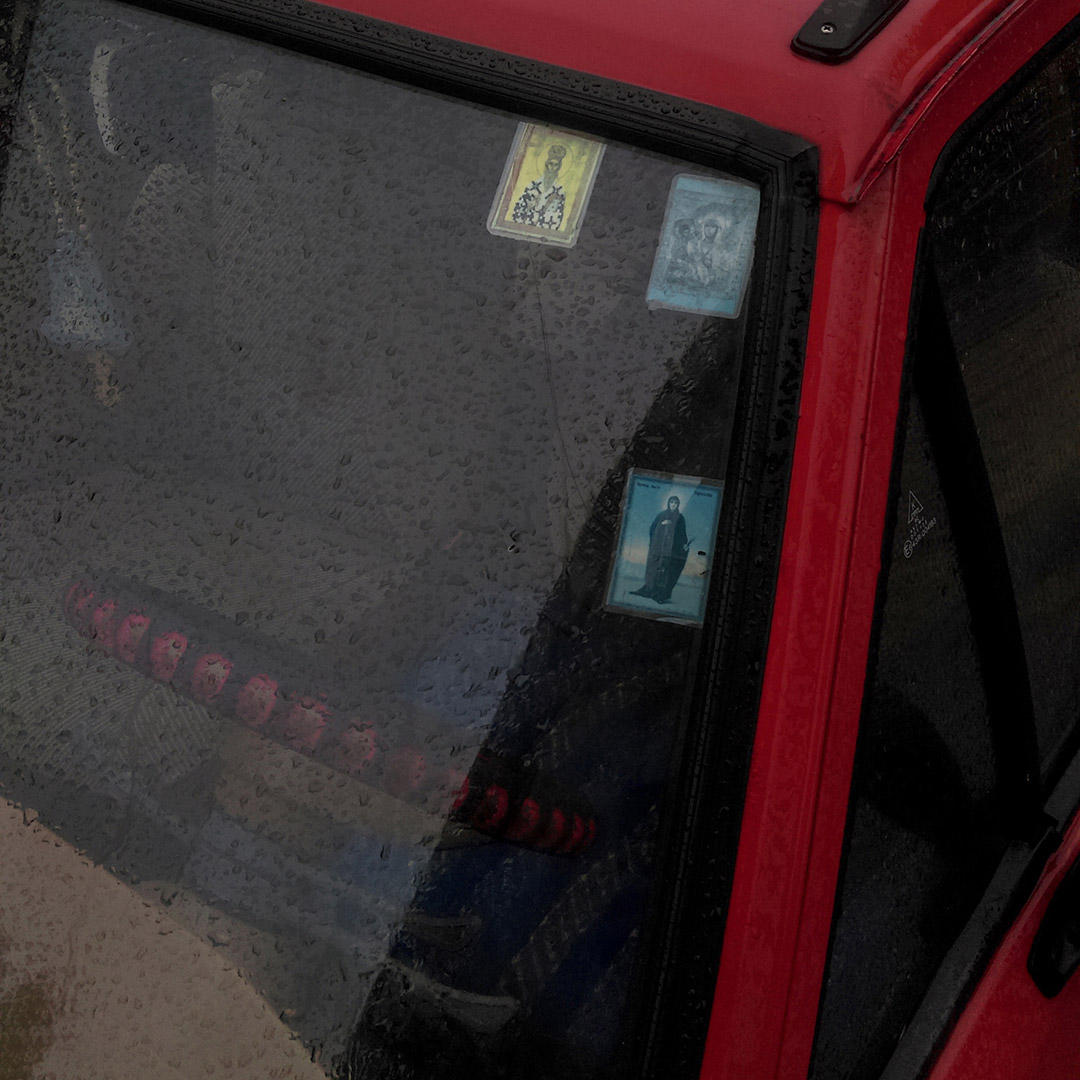
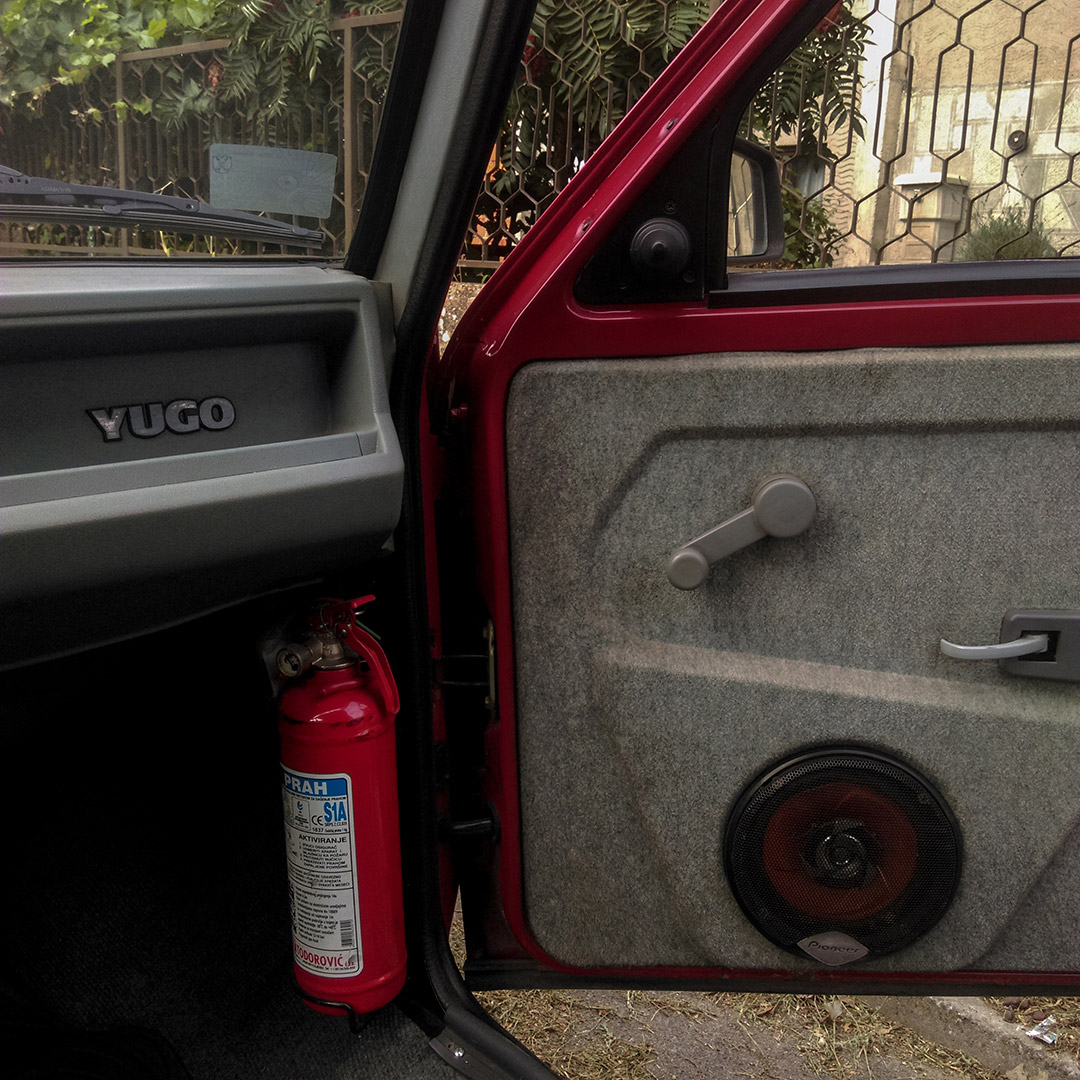
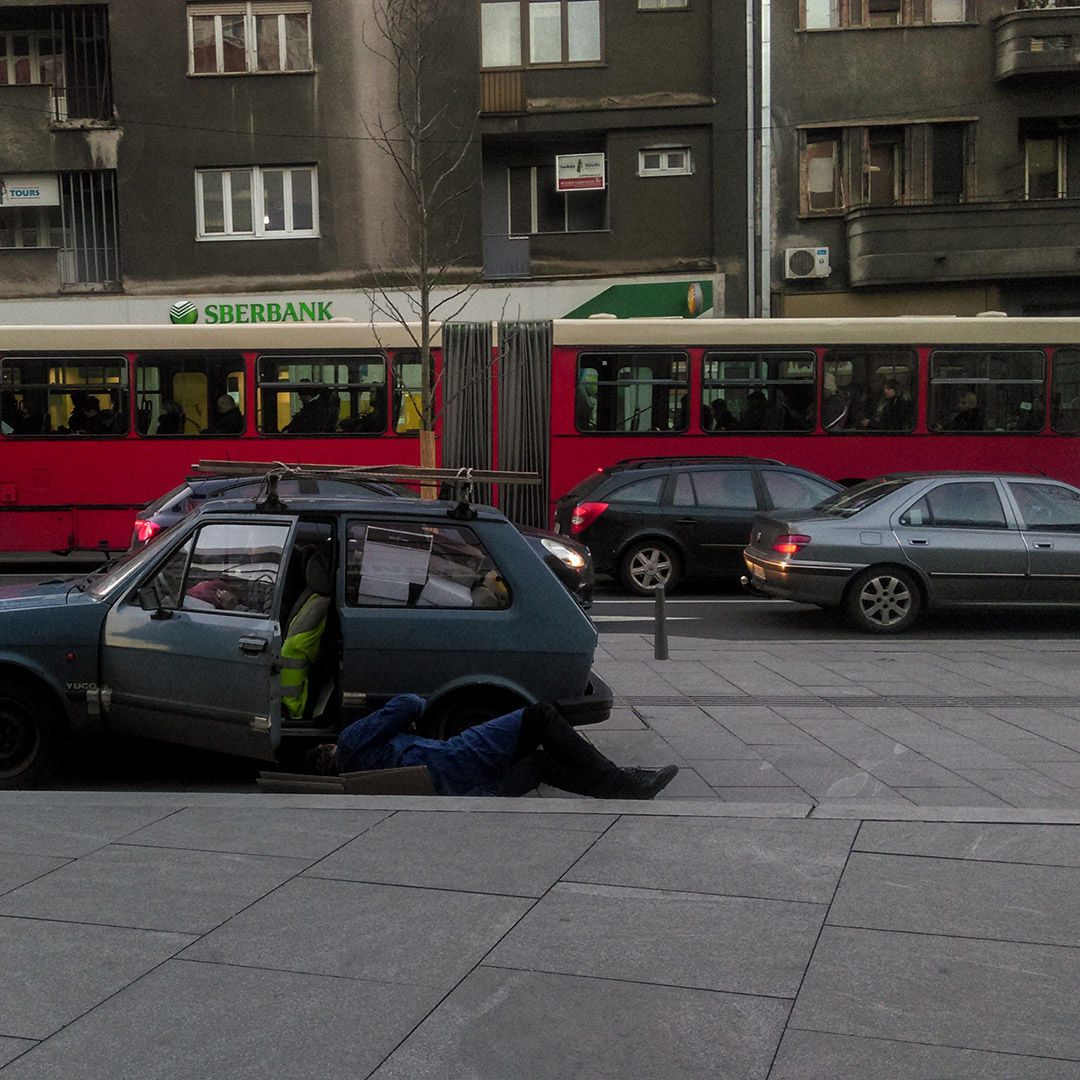
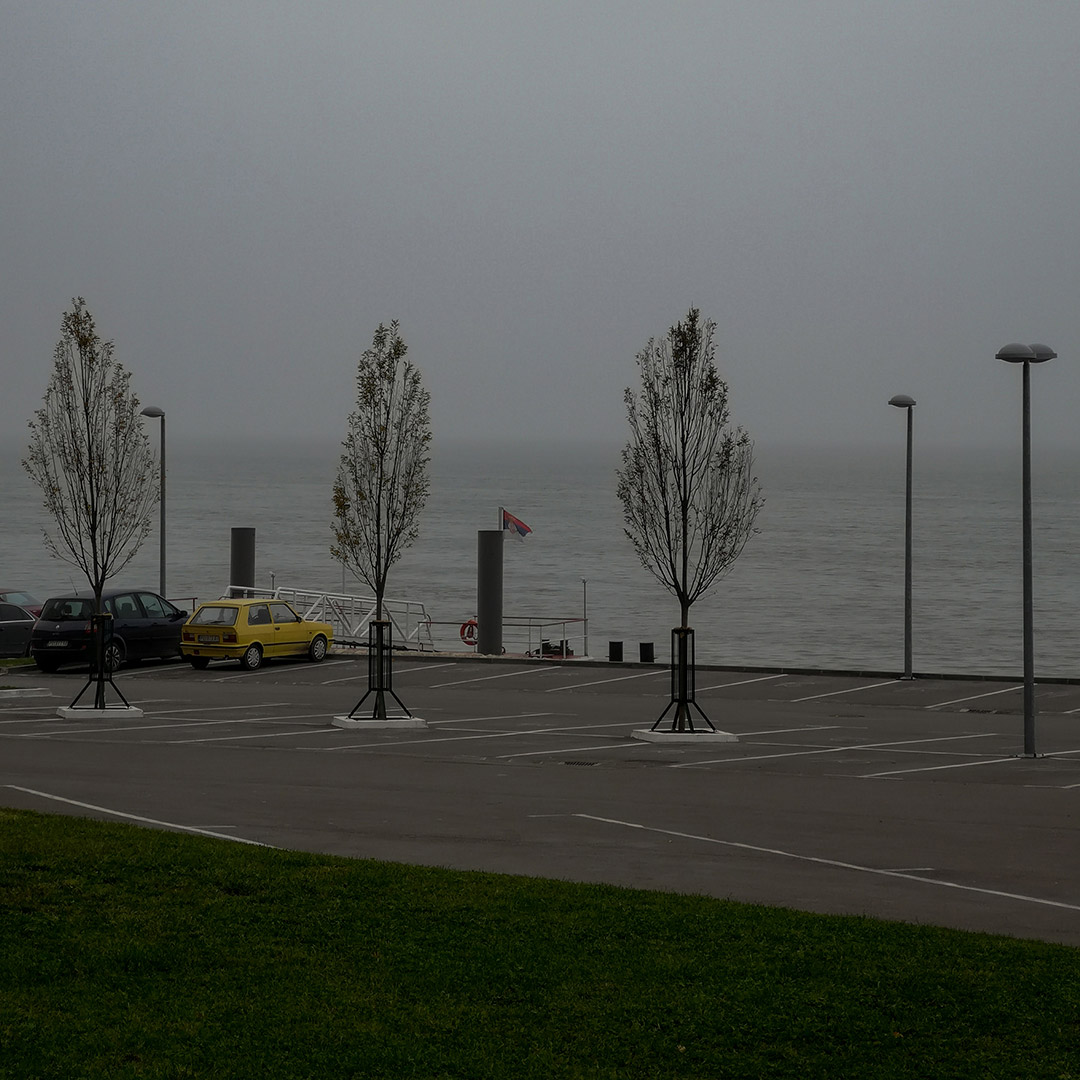
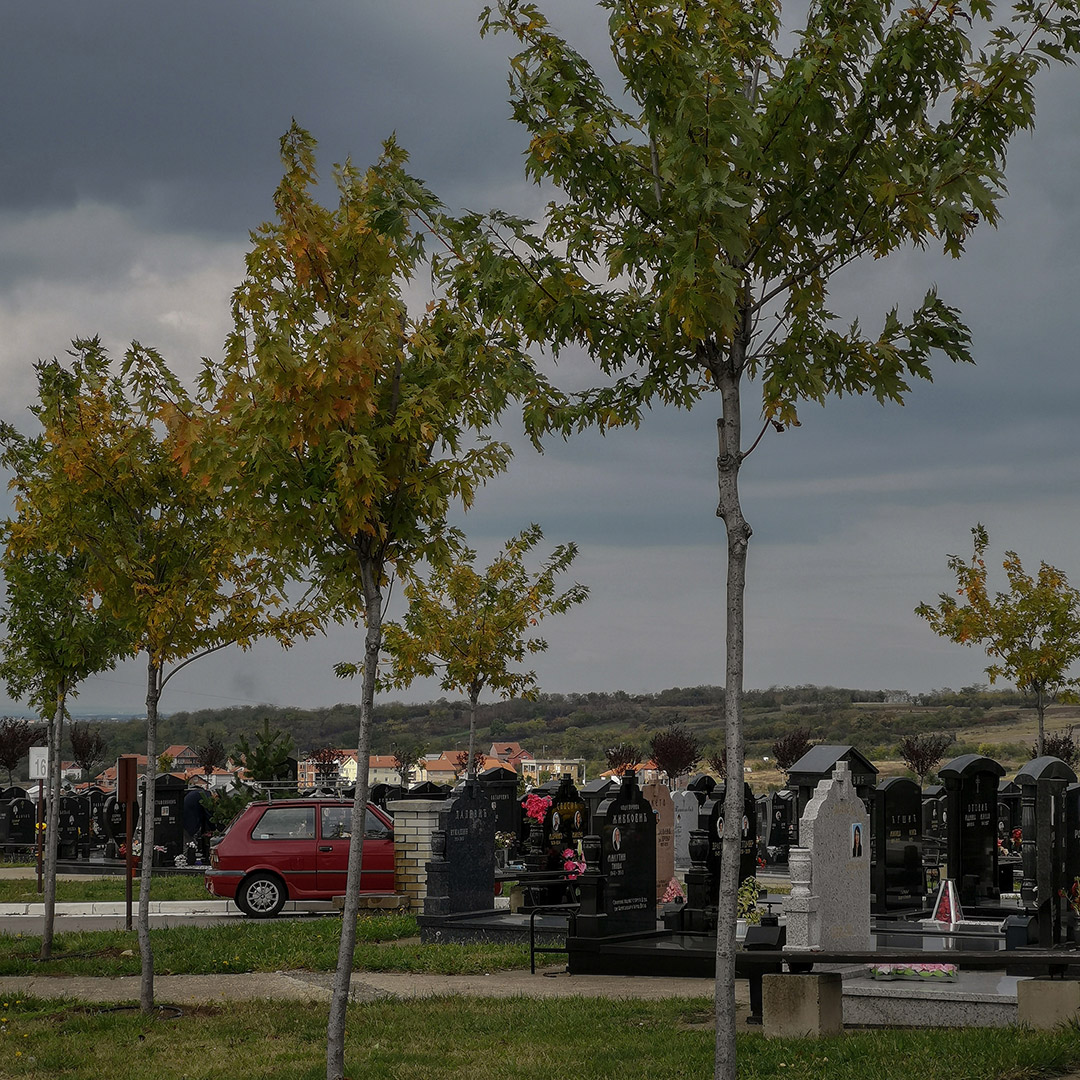
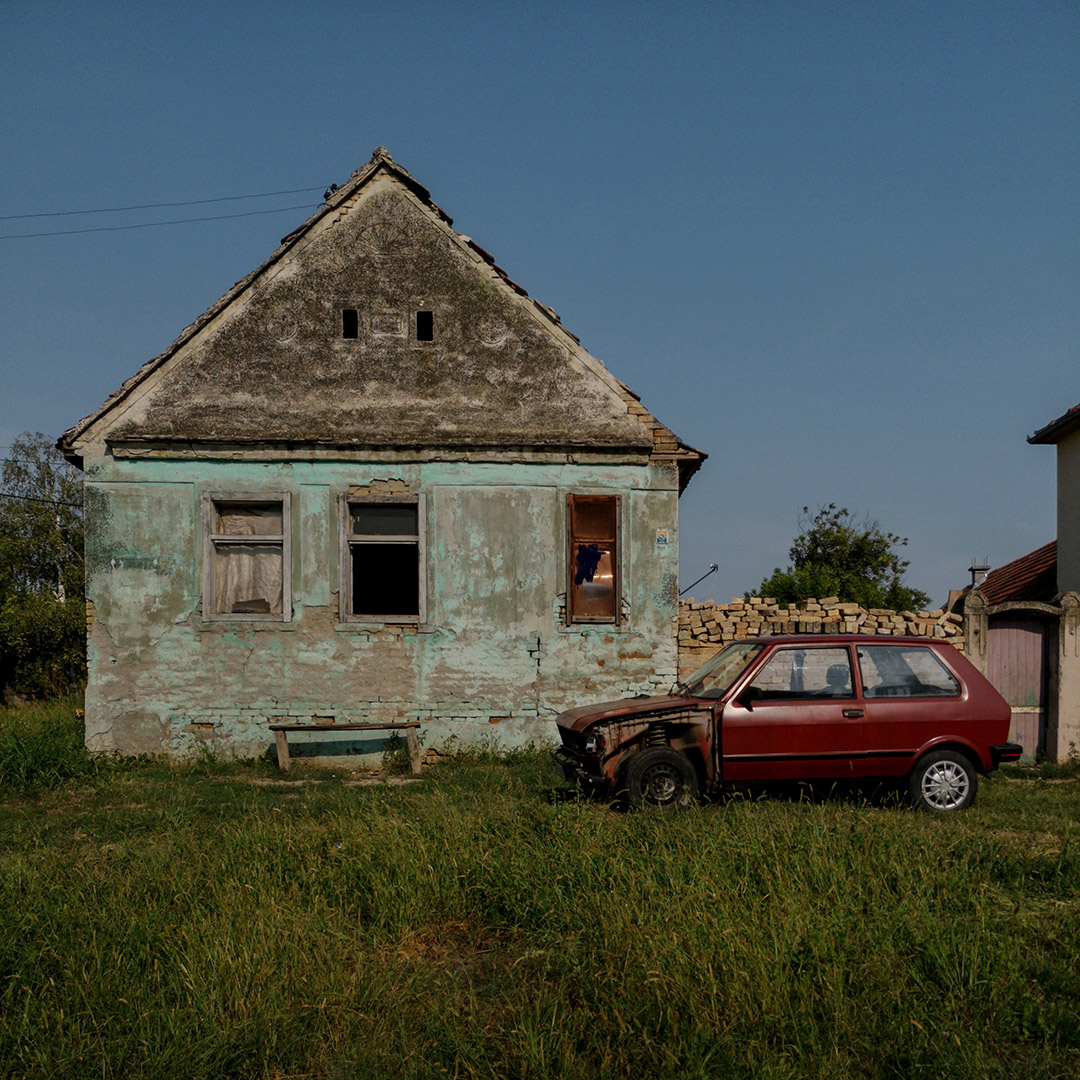
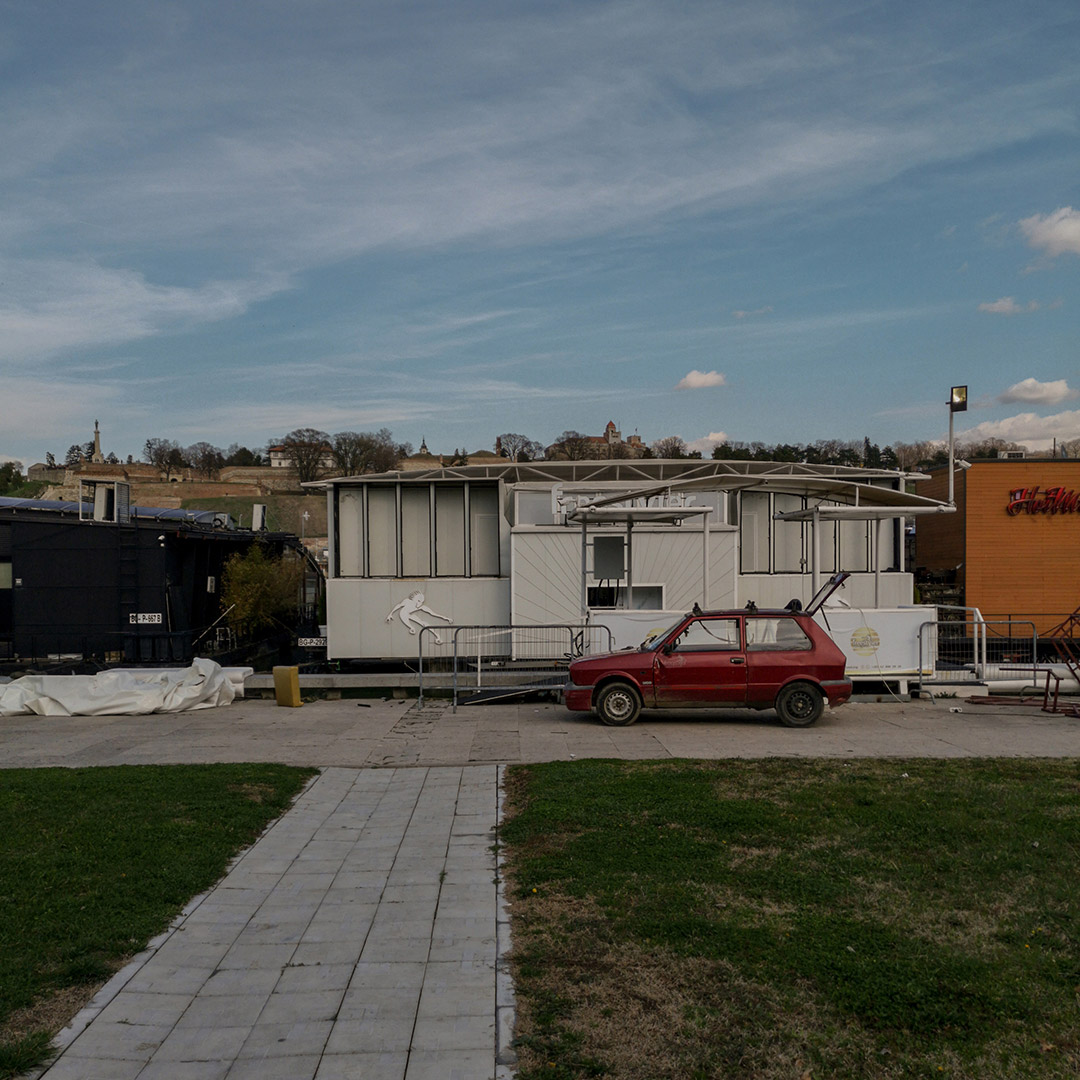
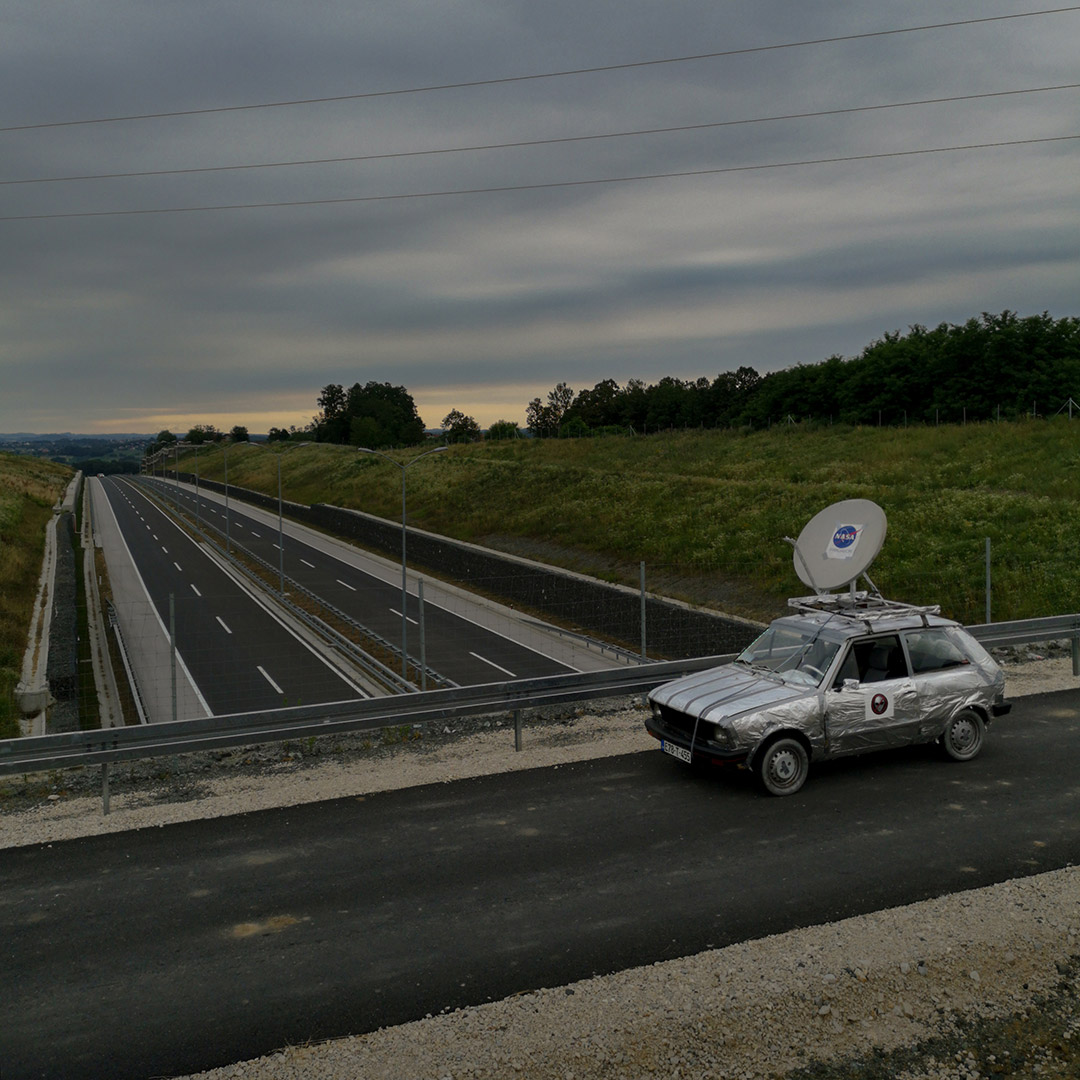
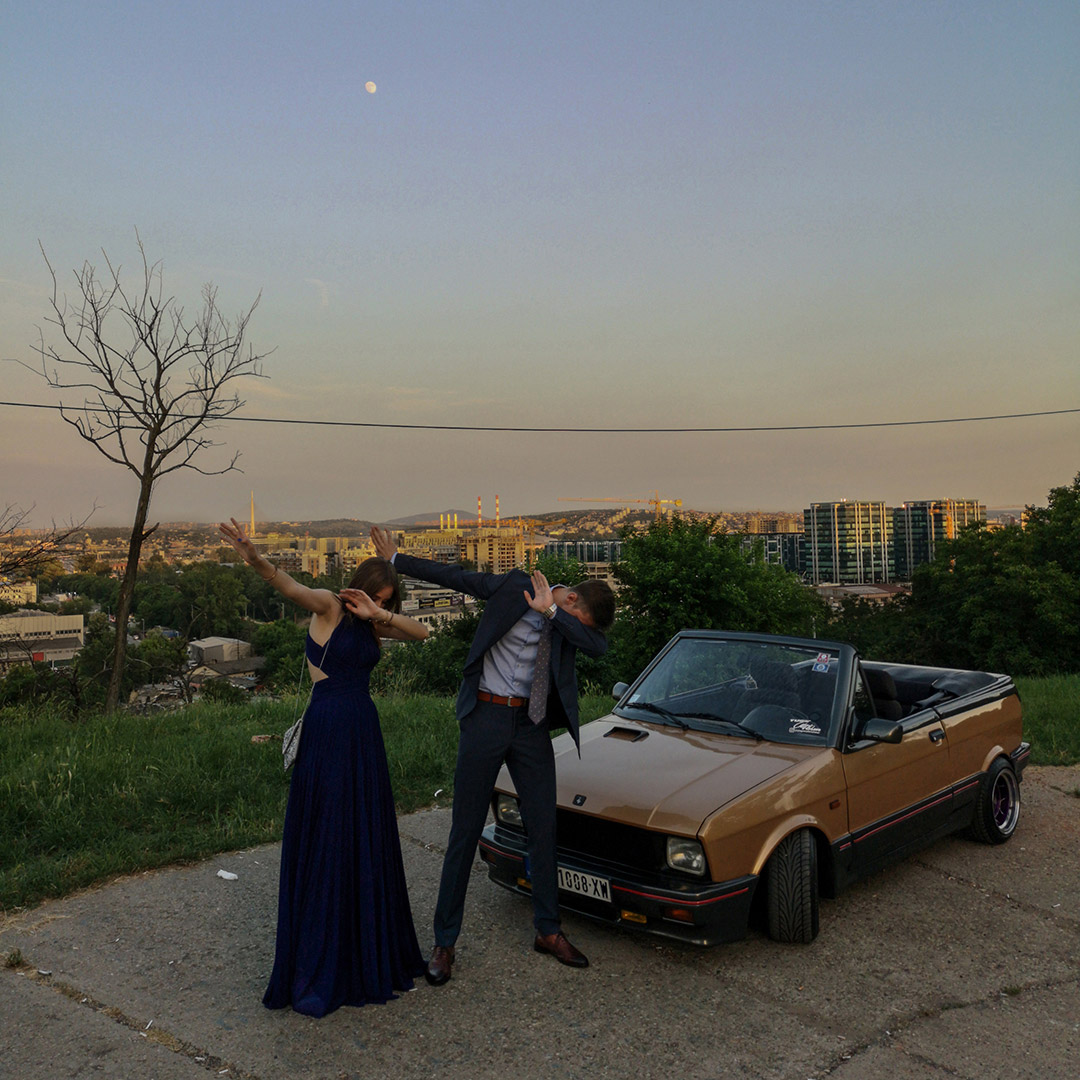
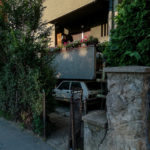
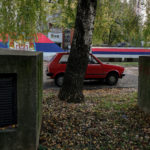
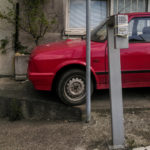
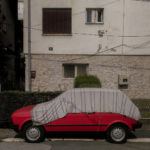
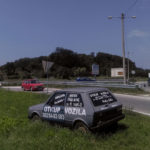
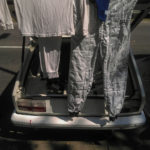
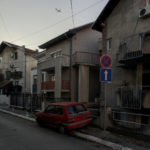
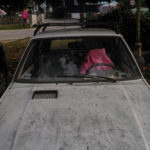
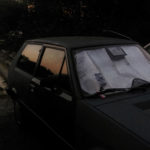
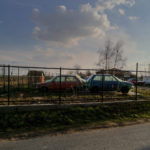
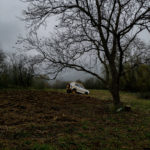
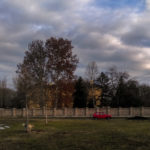
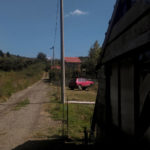
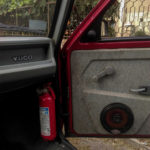
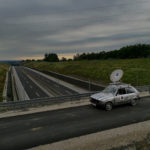
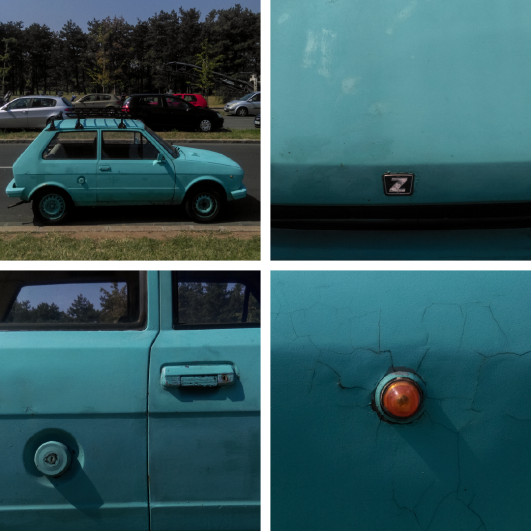
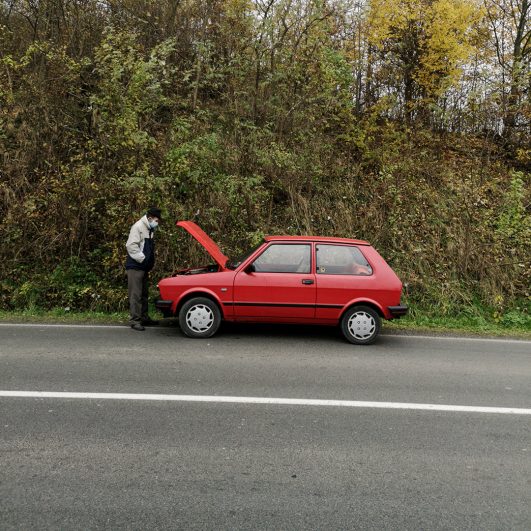
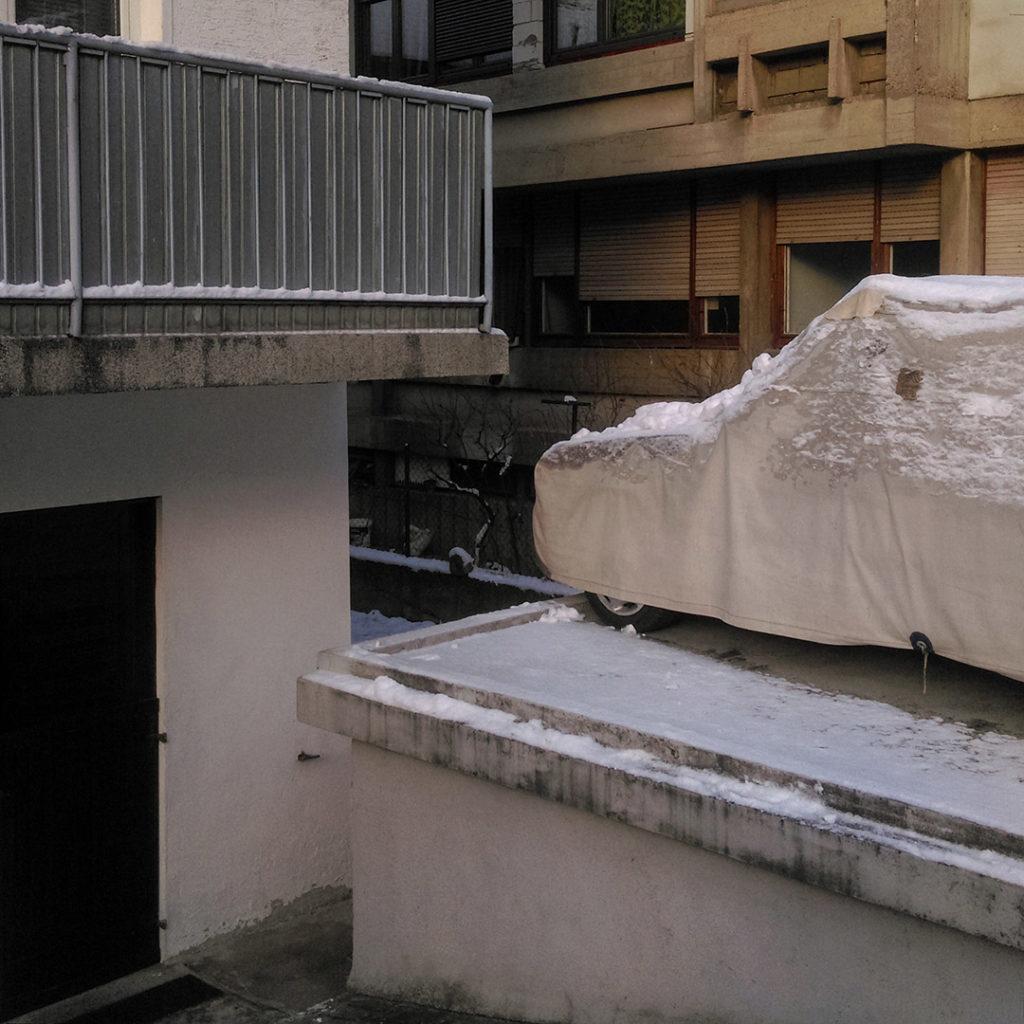
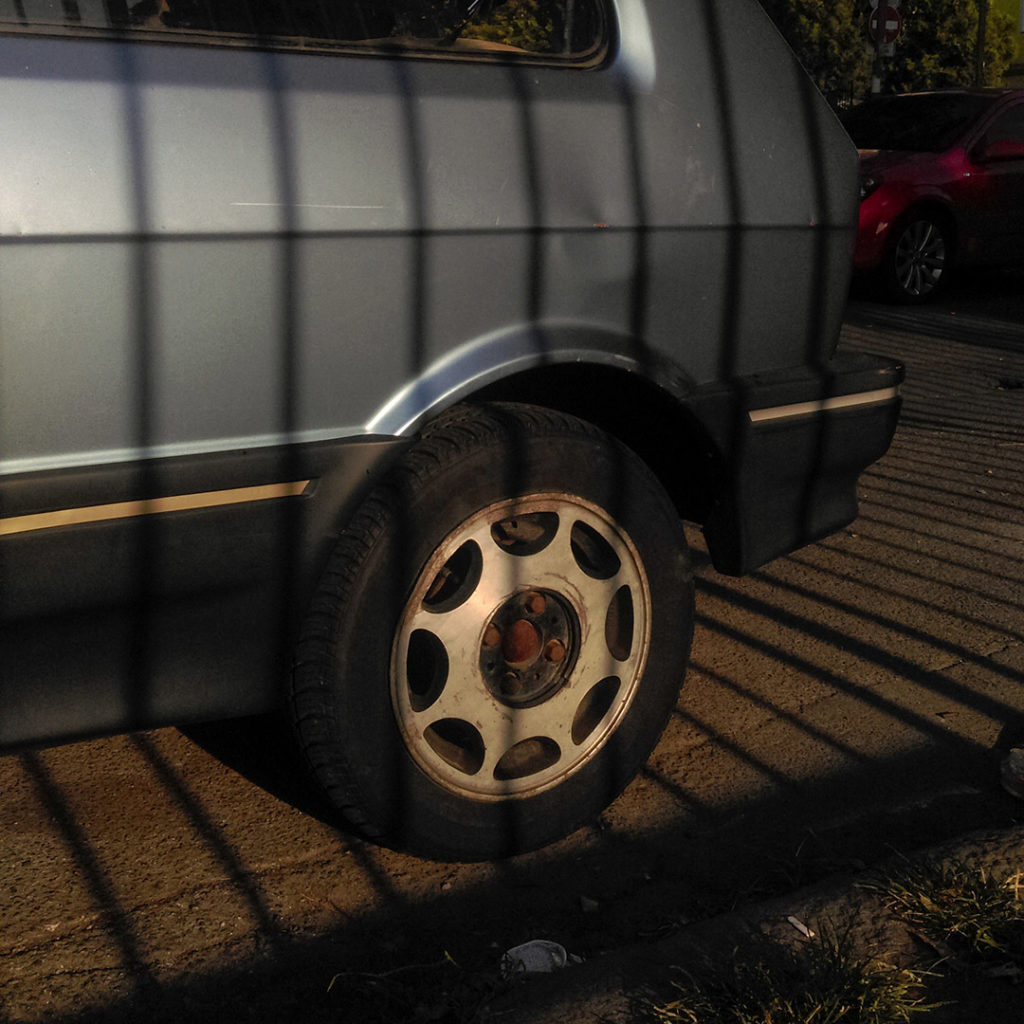
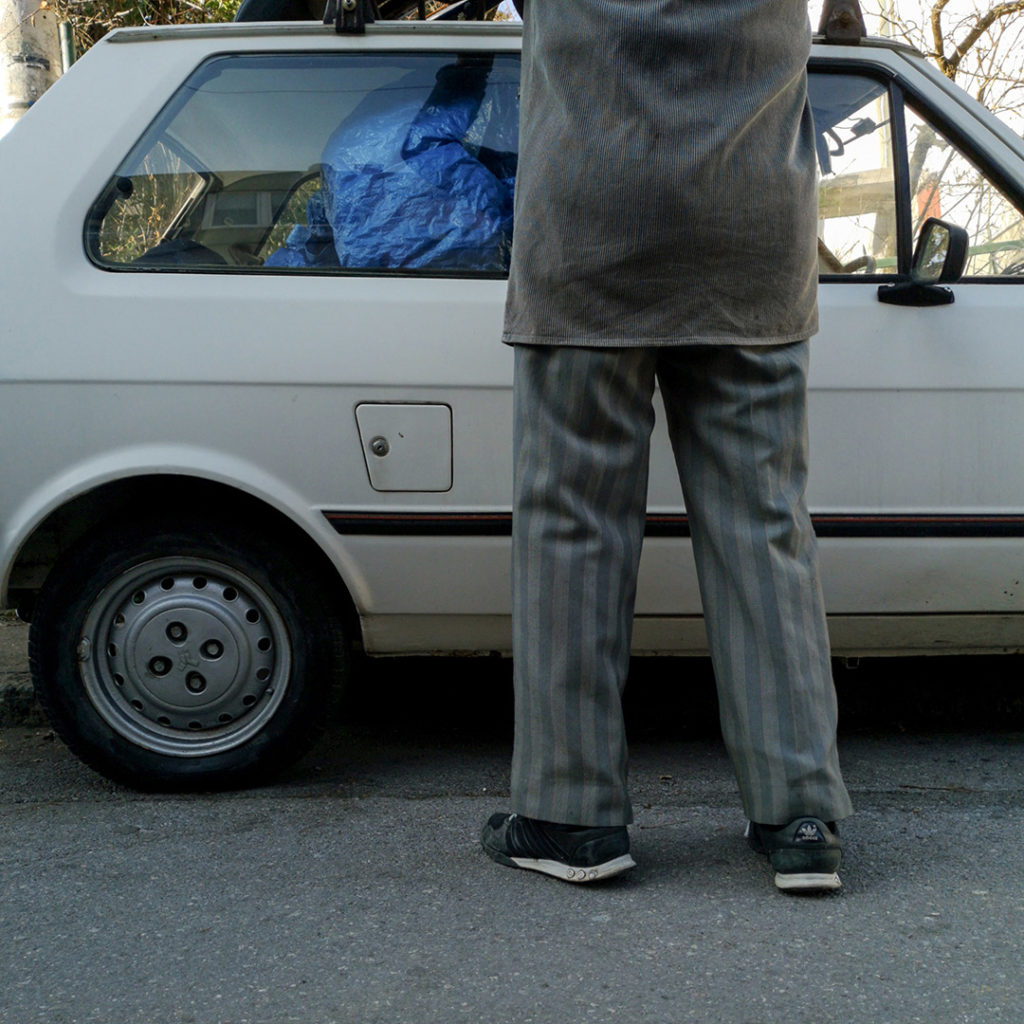
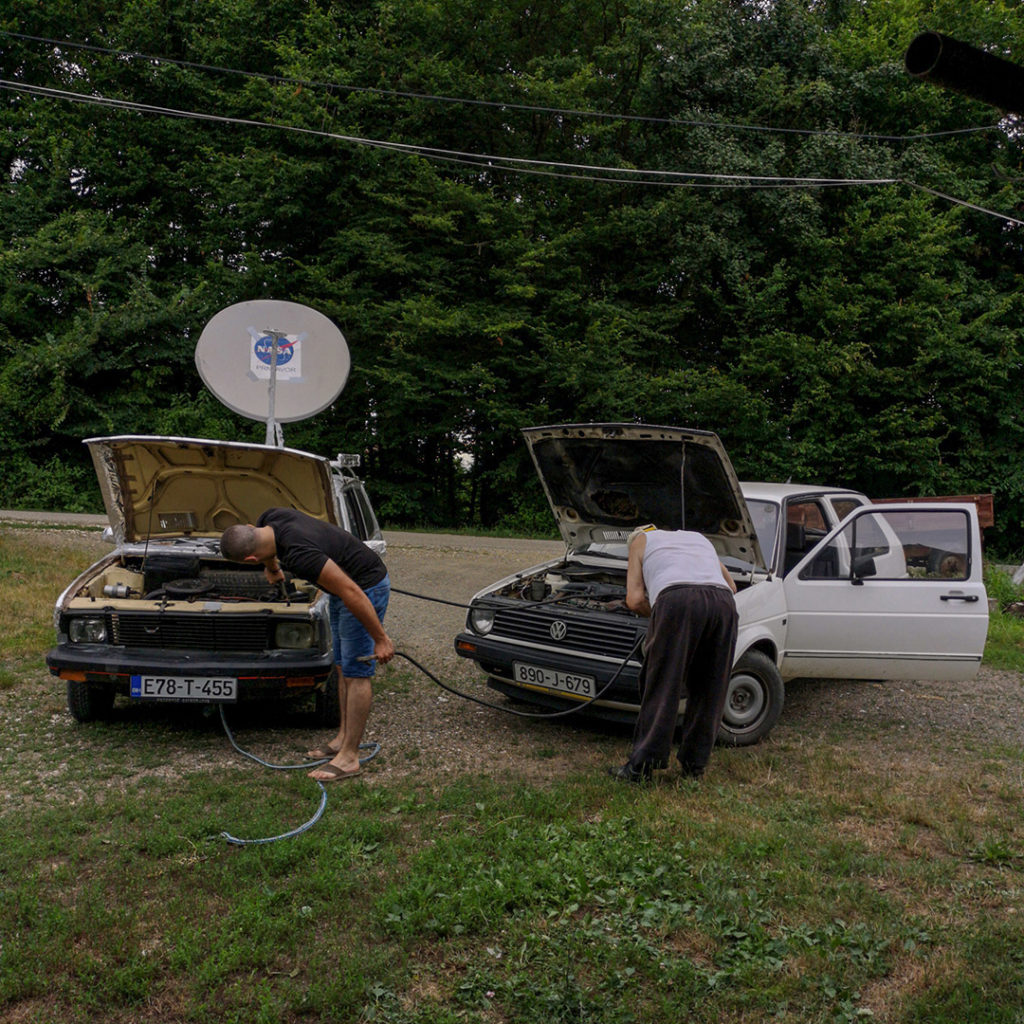
Yugo Today is an independent photo project, with an aim to create, present and preserve the image of this old-fashioned car, which is a symbol of cultural and historical heritage of an era – one of the last physical representations of the seeming prosperity of the SFR Yugoslavia still present in everyday use, as well as one of the last common denominators of the former country.
BEGINNING
I grew up surrounded by Yugos – in 80s and 90s it used to be impossible to find a parking lot or glance at traffic without spotting one within a few seconds. With that in mind, visualising the moment when Yugo’s ever-presence is going to be endangered was unimaginable. It was quite the opposite – there was a feeling that all of them are going to be around forever.
However, about a decade later, on November 11th 2008, the last 794.428th Yugo was produced, which was the beginning of its extinction. Soon after that, the Zastava Automobile manufacturer where this car has been produced for 28 years, was completely taken by FIAT.
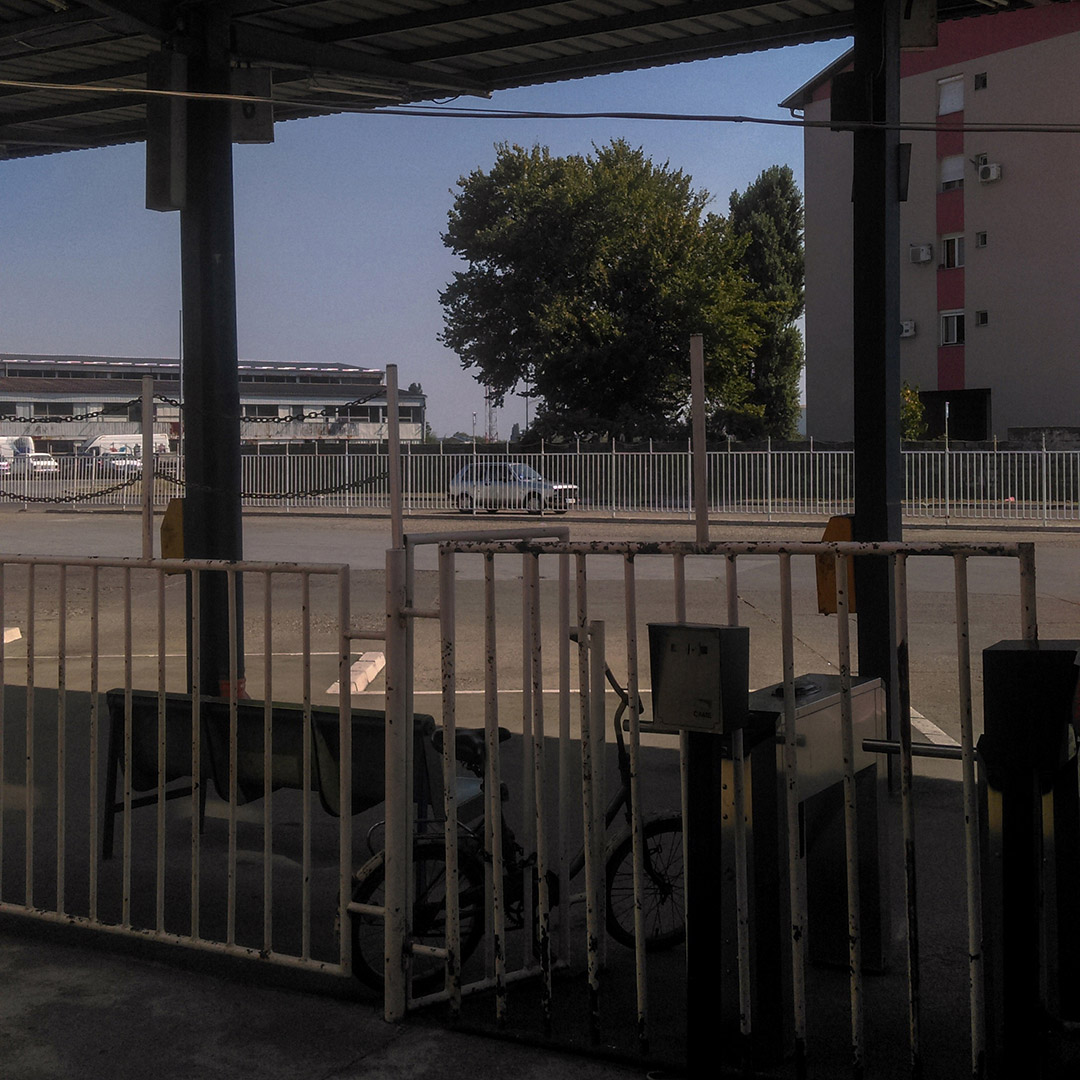
What started as spontaneous documenting whenever I was out and about, quickly turned into a comprehensive photographic research. Using a mobile phone camera, instead of a conventional one, has enabled immediate accessibility.
COLLECTION
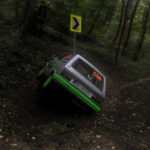
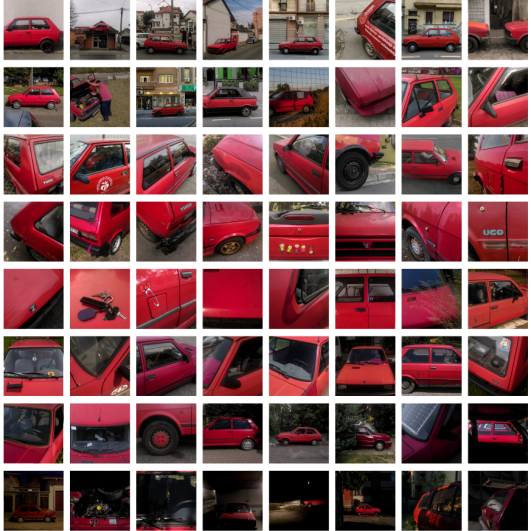
The selection of photos on the website gives an overview of the work until 40th anniversary of Yugo production. From 2017 to 2020, in the region of former Yugoslavia, mostly in Serbia’s capital of Belgrade, around a thousand specimens were recorded.
A broader, ongoing, collection is available on instagram.com/yugotoday.
ONGOING
The future of the project is to expand the collection of specimens primarily in the Balkans, but also wherever Yugo still exists in any form or condition. Furthermore, the intention is to bring the content to the audience regardless of the form.
Thanks to everyone who have been helping me on this documentation journey.
BIO
Milovan Milenković is a Prague (CZE) / Belgrade (SRB) based documentary photographer, continuously committed to elaborate approach to photography. His work covers chronicling everydayness, social distortion patterns and quirks of the mundane.
Contact
Personal Instagram Account
Personal Web Page
© All Rights Reserved